A Hose Wire Braiding Machine is an essential piece of equipment used in the manufacturing of reinforced hoses, which are crucial in industries such as automotive, hydraulic systems, construction, and mining. These hoses need to withstand high pressures and harsh conditions, and the braiding process plays a pivotal role in achieving that strength and flexibility. In this article, we will explain how a Hose Wire Braiding Machine works, the importance of its operation, and why it is indispensable in producing high-quality hydraulic and industrial hoses.
What is a Hose Wire Braiding Machine?
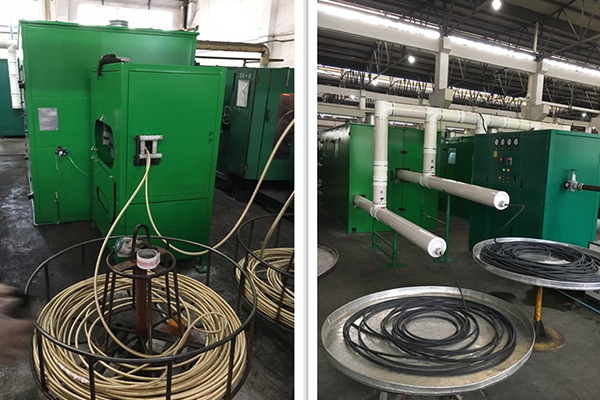
A Hose Wire Braiding Machine is a mechanical system used to weave metal wire around a rubber or thermoplastic hose. This braiding process reinforces the hose, improving its resistance to pressure, abrasion, and environmental damage. By using metal wire, the machine strengthens the hose, making it capable of withstanding high pressure without compromising flexibility.
In addition to providing reinforcement, the wire braiding process also enhances the hose's flexibility, ensuring that it can be bent and maneuvered without damage, while maintaining its ability to withstand extreme conditions.
How Does a Hose Wire Braiding Machine Work?
A Hose Wire Braiding Machine operates by interweaving wire around a hose to create a protective and reinforcing braided l
ayer. The operation involves several key steps and components that work together to achieve the desired results.
1. Feeding the Wire
The process starts by feeding wire from multiple bobbins or spools into the machine. These wires are typically made of durable materials like stainless steel or copper, depending on the application. The spools hold the wire, which is fed through the machine to the braiding zone, where the weaving action takes place.
2. Rotational Motion and Braiding
The core mechanism of the Hose Wire Braiding Machine involves rotating carriages that move in specific directions. These carriages feed the wire into the braiding area, where it is interwoven in a precise pattern. As the machine rotates, it crosses the wire in multiple directions around the hose to form a tight, interlaced braid. This braiding pattern could be a single braid, double braid, or triple braid, depending on the required strength and the application.
The rotational motion of the carriages, combined with the wire's tension, ensures that the wire is woven evenly around the hose, creating a uniform and strong layer of reinforcement. This reinforced layer significantly improves the hose's ability to withstand high pressure, extreme temperatures, and physical abrasion.
3. Cross-Braiding and Tension Control
As the machine operates, the carriages move in opposite directions to create a cross-braiding pattern. This ensures that each layer of wire overlaps with the previous one, creating a dense, cohesive structure that holds the hose together securely.
Tension is a critical factor in the braiding process. The tension control system ensures that the wire is neither too tight nor too loose. Proper tension ensures a strong, uniform braid, while improper tension can lead to weak spots or wire breakage. It is important to maintain the right balance to ensure the hose is both durable and flexible.
4. Take-Up and Storage
Once the braiding process is complete, the hose is passed through the take-up mechanism, which collects the finished hose and winds it onto a spool for storage or further processing. The take-up mechanism is designed to gently collect the braided hose without causing damage to the structure or the braid itself.
Types of Braiding Patterns
The type of braiding pattern used in a Hose Wire Braiding Machine depends on the specific requirements of the application. Some common patterns include:
Single Braid: Ideal for light-duty applications, providing basic reinforcement.
Double Braid: Used for medium-pressure applications, offering stronger reinforcement.
Triple Braid: The strongest braiding option, used for high-pressure hoses that must withstand extreme environments.
Each of these braiding patterns provides a different level of strength and flexibility, depending on the hose's intended use. A Hose Wire Braiding Machine can be adjusted to produce the desired pattern based on the needs of the industry.
Applications of a Hose Wire Braiding Machine
The Hose Wire Braiding Machine is used in a wide variety of industries that require high-strength hoses capable of withstanding harsh conditions. Some key applications include:
Hydraulic Systems: Hoses used in hydraulic applications must be able to handle high-pressure fluids. The Hose Wire Braiding Machine is critical for manufacturing these reinforced hoses.
Automotive Industry: Brake lines, power steering hoses, and fuel lines require strong, flexible hoses that can withstand high pressure and heat. The Hose Wire Braiding Machine ensures these hoses meet industry standards.
Mining and Construction: Heavy-duty hoses for construction and mining equipment need to endure extreme pressures and abrasion. Braided hoses made by Hose Wire Braiding Machines are perfect for these tough conditions.
Oil and Gas: In the oil and gas industry, hoses must be able to endure extreme pressures and exposure to harsh chemicals. The Hose Wire Braiding Machine helps create hoses that can meet these challenges.
Agricultural Equipment: Agricultural machinery requires hoses that are durable and resistant to wear and tear. Wire-braided hoses are essential for this industry, ensuring reliable performance under field conditions.
How to Choose the Right Hose Wire Braiding Machine
When selecting a Hose Wire Braiding Machine, there are several factors to consider to ensure the machine meets your needs:
Machine Capacity: Consider how many bobbins or spools the machine can handle at once. This affects the braiding pattern and the machine's production speed.
Wire Type and Size: Choose a machine that can handle the specific type and size of wire required for your hoses (e.g., stainless steel, copper, or other materials).
Speed and Efficiency: Higher-speed machines increase production efficiency, making them suitable for large-scale operations.
Control Systems: Advanced machines come with automated control systems that allow for precise adjustments in braiding tension, speed, and wire placement.
Customization: Some operations may require customized settings or modifications for specialized applications. Consider machines that allow for these adjustments.
Common Issues and How to Avoid Them
While the Hose Wire Braiding Machine is a reliable tool, common issues can arise:
Inconsistent Braiding Tension: This can result in weak spots or uneven braids. Ensure that the tension is properly adjusted and maintained.
Wire Breakage: Improper feeding or excessive tension can cause wire breakage. Regular checks and adjustments can prevent this issue.
Machine Overheating: Overheating can lead to machine malfunction. Ensure proper maintenance and cooling systems are in place.
Maintenance Tips for Hose Wire Braiding Machines
Regular maintenance is crucial for optimal performance. Key tips include:
Lubrication: Regularly lubricate moving parts to reduce friction and wear.
Cleaning: Keep the machine clean to prevent debris buildup that can affect performance.
Inspection: Inspect components regularly to ensure they are in good working condition.
Calibration: Periodically calibrate the machine to ensure the braiding tension, speed, and pattern are accurate.
Conclusion
The Hose Wire Braiding Machine is a vital piece of equipment in the manufacturing of reinforced hoses. Its ability to create strong, flexible, and durable hoses makes it indispensable in industries ranging from automotive to hydraulic systems. By understanding how it works, choosing the right machine, and maintaining it properly, manufacturers can ensure they produce high-quality hoses that meet the toughest demands.
If you are in need of advanced Hose Wire Braiding Machines, consider exploring the offerings from trusted manufacturers like Nanjing Hydraulic Sun Technology Co., Ltd., a leader in providing high-quality, cutting-edge equipment designed for the toughest industrial applications.
FAQs
1. What is a Hose Wire Braiding Machine used for?
A Hose Wire Braiding Machine is used to reinforce hoses by weaving wire around the hose, providing strength and flexibility for applications in hydraulic systems, automotive, mining, and more.
2. How does the braiding process work?
The machine feeds wire from multiple spools and uses rotating carriages to cross-braid the wire around the hose. Tension and speed are carefully controlled to ensure a strong, uniform braid.
3. What are the common problems with Hose Wire Braiding Machines?
Common issues include inconsistent braiding tension, wire breakage, and machine overheating. Regular maintenance and proper machine settings can help prevent these problems.


