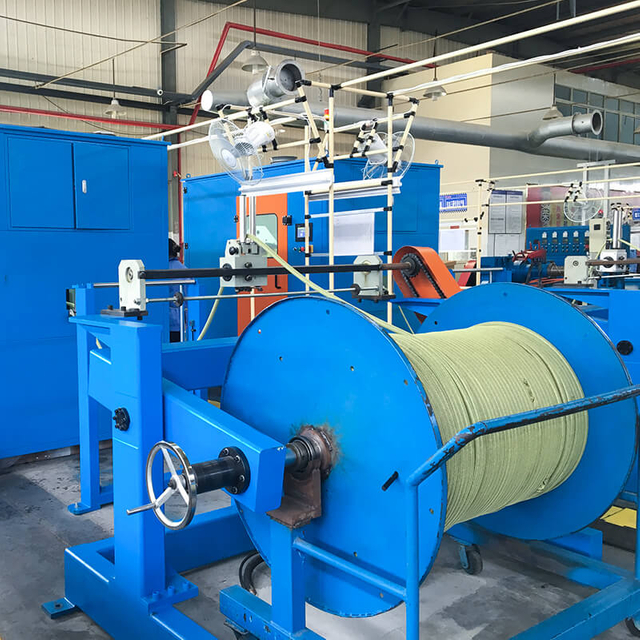
In the world of hydraulic hose manufacturing, the braiding process is crucial for reinforcing the hoses to withstand pressure, abrasion, and various environmental factors. The braiding machines used in this process are specialized tools designed to enhance the durability and performance of hoses. Among these machines, the Hose Textile Braiding Machine and Hose Wire Braiding Machine are two of the most commonly used, each serving a unique purpose in the production of hydraulic hoses. Understanding the differences between these two types of braiding machines is essential for selecting the right equipment for specific applications.
In this article, we will explore the differences between a Hose Textile Braiding Machine and a Wire Braiding Machine, including their design, applications, and benefits. We will also discuss key factors to consider when choosing between the two and the specific needs they address in hose production. This guide will provide valuable insights for manufacturers and businesses in the hose production industry, helping them make informed decisions about the right machinery for their operations.
What is a Hose Textile Braiding Machine?
A Hose Textile Braiding Machine is designed to weave textile fibers, such as polyester, nylon, or other synthetic fibers, around a hose to provide reinforcement. The textile braiding process involves the interlacing of yarns in a crisscross pattern, which enhances the strength, flexibility, and durability of the hose. These machines are used to produce hoses that require a softer, more flexible reinforcement and are commonly used in industries such as automotive, hydraulic systems, and manufacturing.
Features of a Hose Textile Braiding Machine:
Fiber Reinforcement: The primary function of a textile braiding machine is to apply woven textile fibers around a rubber or thermoplastic core. The braiding pattern typically results in a flexible and lightweight hose.
Versatility in Materials: Textile braiding machines can work with a variety of yarns, including synthetic fibers like polyester and nylon, as well as natural fibers for specific applications.
Higher Flexibility: Hoses braided with textile fibers offer higher flexibility and can bend and move with ease, making them ideal for applications where flexibility is crucial.
Lower Pressure Resistance: Compared to wire braiding, textile braiding provides less resistance to high-pressure environments, so textile braided hoses are typically used in low-pressure applications.
Applications of Hose Textile Braiding Machines:
Automotive Applications: Used for fuel lines, brake lines, and air conditioning hoses where flexibility is necessary.
Industrial and Agricultural Machinery: Hoses for fluid transfer in machinery that requires both strength and flexibility.
Food and Beverage Industry: Textile braiding is often used in hoses for food-grade applications, offering the necessary flexibility and strength without compromising hygiene.
What is a Hose Wire Braiding Machine?
A Hose Wire Braiding Machine, on the other hand, is designed to apply metal wire, such as stainless steel, around the core of a hydraulic hose. Wire braiding provides a higher level of strength and durability, making it ideal for high-pressure applications where the hose must endure heavy mechanical stress, high temperatures, or extreme environments.
Features of a Hose Wire Braiding Machine:
Metal Wire Reinforcement: Unlike textile braiding, wire braiding uses metal wires that are woven tightly around the hose. This method offers superior strength, making it capable of withstanding high-pressure conditions.
Enhanced Durability: Hoses braided with wire are highly resistant to abrasion, pressure, and environmental factors, which makes them suitable for demanding industrial applications.
Stiffness and Rigidity: Wire-braided hoses tend to be stiffer than textile-braided hoses, which can sometimes make them less flexible but more durable under extreme conditions.
Higher Pressure Resistance: Wire braiding provides greater pressure resistance, making these hoses suitable for high-pressure systems and heavy-duty machinery.
Applications of Hose Wire Braiding Machines:
Hydraulic Systems: Used in hydraulic hoses that are exposed to high pressures and require enhanced strength and durability.
Construction Machinery: Essential for hoses in heavy-duty construction machinery that must perform under tough conditions.
Oil and Gas Industry: Wire-braided hoses are often used for fluid transfer in the oil and gas industry, where pressure and environmental stress are significant factors.
Mining Equipment: Wire-braided hoses are crucial for hydraulic systems in mining equipment, which operate under extreme conditions.
Key Differences Between Hose Textile Braiding and Hose Wire Braiding Machines
1. Material Used for Reinforcement:
Textile Braiding Machines use synthetic fibers such as polyester, nylon, or cotton, providing a lightweight, flexible reinforcement.
Wire Braiding Machines use metal wires (usually stainless steel), offering significantly higher strength and pressure resistance.
2. Pressure Resistance:
Textile Braided Hoses are generally used in low-pressure applications, as textile fibers offer limited resistance to high-pressure conditions.
Wire Braided Hoses are designed to withstand high-pressure environments, making them ideal for industries such as hydraulic, mining, and oil and gas.
3. Flexibility and Stiffness:
Textile Braided Hoses are more flexible and softer, making them ideal for applications that require the hose to bend or move easily.
Wire Braided Hoses are more rigid and less flexible due to the metal reinforcement, making them better suited for applications where durability is more important than flexibility.
4. Durability:
Textile Braided Hoses offer decent abrasion resistance but are not as durable under harsh environments compared to wire-braided hoses.
Wire Braided Hoses offer superior durability, particularly in environments with extreme temperatures, high pressures, or mechanical stress.
5. Weight:
Textile Braided Hoses are generally lighter and more flexible, which can be an advantage in applications where weight is a critical factor.
Wire Braided Hoses tend to be heavier due to the metal wires used, which can make them less suited for weight-sensitive applications.
Benefits and Limitations of Each Braiding Machine
Benefits of Hose Textile Braiding Machines:
High Flexibility: Ideal for applications requiring flexible hoses that can bend and twist without damage.
Lightweight Design: Suitable for applications where reducing weight is essential.
Lower Cost: Generally, textile braiding machines are more cost-effective compared to wire braiding machines, making them a preferred choice for low-pressure applications.
Limitations of Hose Textile Braiding Machines:
Lower Pressure Resistance: Not suitable for high-pressure applications where durability and strength are paramount.
Limited Durability: Textile braided hoses are less resistant to abrasion and extreme environmental conditions compared to wire-braided hoses.
Benefits of Hose Wire Braiding Machines:
High Pressure Resistance: Perfect for high-pressure systems and heavy-duty applications.
Durability: Wire-braided hoses offer superior abrasion resistance and can withstand harsher environments.
Longer Lifespan: Wire braiding enhances the lifespan of hoses, making them suitable for heavy-duty applications.
Limitations of Hose Wire Braiding Machines:
Less Flexibility: Due to the rigidity of the metal wires, wire-braided hoses are less flexible than textile-braided hoses.
Heavier Weight: The metal reinforcement makes wire-braided hoses heavier, which may be a drawback in weight-sensitive applications.
Choosing Between a Hose Textile Braiding Machine and a Hose Wire Braiding Machine
When selecting a braiding machine for your production line, several factors need to be considered:
Pressure Requirements: If your application requires high pressure, a Hose Wire Braiding Machine is the obvious choice. For lower pressure applications, a Hose Textile Braiding Machine may suffice.
Flexibility Needs: If the hose needs to bend or flex frequently, textile braiding will offer the necessary flexibility. For more rigid applications, wire braiding is better.
Durability and Environment: If the hose will be exposed to extreme conditions (high temperatures, abrasion, or pressure), wire braiding will offer the necessary durability.
FAQs
1. What is the main difference between a textile braiding machine and a wire braiding machine?
The main difference lies in the material used for reinforcement. A textile braiding machine uses synthetic fibers, providing flexibility and lightweight properties, while a wire braiding machine uses metal wires for enhanced durability and pressure resistance.
2. Which type of braiding machine is suitable for high-pressure applications?
For high-pressure applications, a Hose Wire Braiding Machine is more suitable due to its ability to withstand higher pressure and harsh environments.
3. Can textile braided hoses be used in automotive applications?
Yes, textile braided hoses are commonly used in automotive applications that require flexibility, such as fuel lines and air conditioning hoses.
Conclusion
Understanding the differences between a Hose Textile Braiding Machine and a Wire Braiding Machine is crucial for selecting the appropriate equipment for your production needs. While textile braiding machines offer flexibility and cost-effectiveness for low-pressure applications, wire braiding machines provide superior strength and durability for high-pressure, heavy-duty applications.
For those looking for high-quality hydraulic hose production equipment, Nanjing Hydraulic Sun Technology Co., Ltd.offers advanced braiding machines that cater to both textile and wire braiding requirements. With years of experience in the industry, the company provides reliable solutions for a wide range of hydraulic hose manufacturing needs, backed by technical expertise and innovation.