Views: 0 Author: Site Editor Publish Time: 2025-09-15 Origin: Site


Have you ever wondered how hydraulic systems withstand immense pressure without failing? The secret lies in the hydraulic hose spiral layer. Understanding these layers is crucial for anyone working with high-pressure systems. In this post, you'll learn what a hydraulic hose spiral layer is and why it's essential for system efficiency and safety. We'll also explore how the Hose Wire Spiral Winding Machine plays a pivotal role in their construction.
Hydraulic hoses are key parts of hydraulic systems. They carry fluid under pressure, so they must be strong and reliable. Their construction includes several layers, each serving a specific purpose to ensure the hose works well in tough conditions.
Inner Tube: This is the core layer that carries the hydraulic fluid. It’s made from materials that resist the fluid type, like oil or water, preventing leaks or damage.
Reinforcement Layer: This layer gives the hose strength and flexibility. It often contains steel wire wound either in spirals or braids, or sometimes textile yarn. This layer helps the hose withstand pressure and bending.
Outer Cover: The outermost layer protects the hose from outside harm. It guards against abrasion, UV rays, weather, and chemicals. This cover is usually made of tough rubber, PVC, or thermoplastic.
Reinforcement layers are vital for hose performance. They:
Increase Pressure Rating: Steel wire layers, especially spiral or braided, allow the hose to handle high pressures without bursting.
Improve Flexibility: While strong, these layers also let the hose bend without kinking, which is important in complex hydraulic setups.
Enhance Durability: Reinforcement protects against cuts, abrasion, and impacts, extending hose life.
Prevent Expansion: They stop the hose from swelling under pressure, keeping fluid flow steady and system efficiency high.
Materials are chosen based on the hose’s job and the fluid it carries:
Rubber: Flexible and tough against weather and ozone. Used in inner tubes and outer covers. Available in grades that resist chemicals and heat.
PVC (Polyvinyl Chloride): Lightweight and corrosion-resistant but less durable under extreme conditions. Common in industrial hoses.
Steel Wire: Key for reinforcement. Wound in spirals or braids to boost strength. Spiral steel wire layers handle higher pressure and offer better flexibility.
Nylon and Polyester: Used in some reinforcement layers, these materials add strength while keeping hoses flexible, mainly for lower-pressure uses.
Teflon: Excellent for hoses dealing with corrosive chemicals or extreme temperatures. Used in inner tubes or covers for chemical resistance.
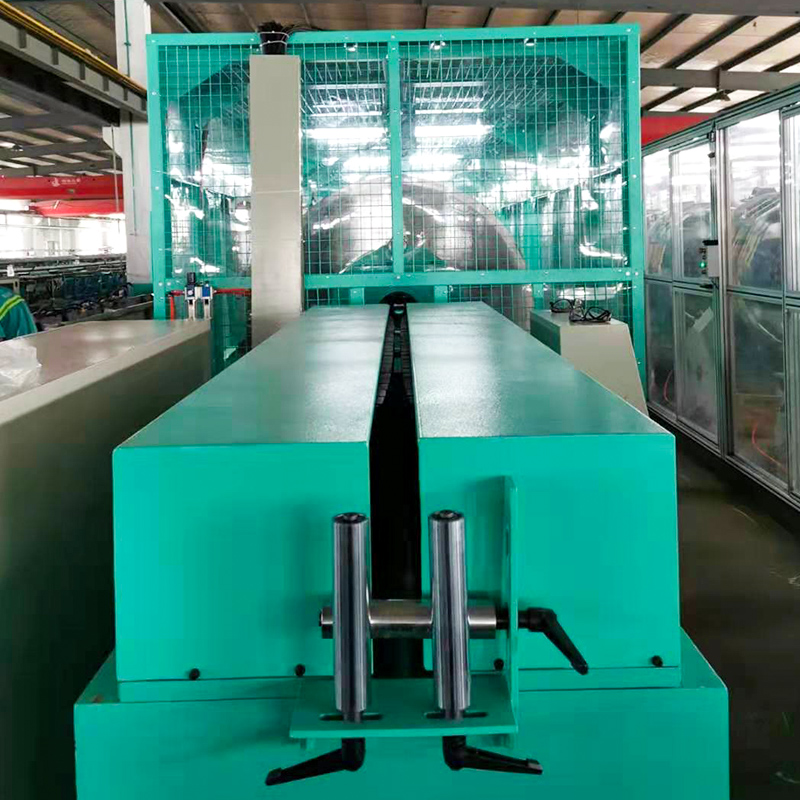
Hydraulic hoses mainly differ in their reinforcement layers. Spiral hoses use steel wire wound in a continuous helical pattern around the hose core. This spiral creates multiple layers that can be added to increase pressure resistance. Braided hoses, however, have steel wires woven in a crisscross braid pattern over the tube.
The spiral design offers superior strength for high-pressure applications. It handles sudden pressure spikes better than braided hoses. Braided hoses provide more flexibility but usually work best under moderate pressure. Because of the weaving, braided hoses can bend more easily but may not resist extreme pressure surges as well as spiral hoses.
Spiral hoses excel at managing high pressure. Their continuous spiral layers distribute pressure evenly, preventing weak spots that might lead to hose failure. This design allows spiral hoses to maintain performance under intense pressure fluctuations common in heavy machinery or industrial equipment.
Braided hoses, while durable, tend to have lower maximum pressure ratings. They are suitable for systems where pressure stays relatively steady and not too high. For demanding environments with rapid pressure changes, spiral hoses are safer and more reliable.
While braided hoses are generally more flexible due to their woven structure, spiral hoses have improved flexibility thanks to advanced manufacturing techniques. They can bend without kinking, making them versatile in many setups.
Durability is where spiral hoses stand out. The spiral reinforcement resists twisting and curling during movement. This means less wear and tear over time. Braided hoses can suffer from wire friction and loosening, which reduces their lifespan under heavy use.
In summary, spiral hoses provide a balance of strength and flexibility ideal for high-pressure, dynamic hydraulic systems. Braided hoses suit applications needing more flexibility but lower pressure resistance.
Hydraulic hose spiral layers offer a unique combination of strength and flexibility. The spiral steel wire is wound tightly around the hose core, creating a continuous reinforcement that prevents the hose from expanding under pressure. This design absorbs the force exerted by the hydraulic fluid, reducing the risk of rupture or deformation. Multiple spiral layers add strength, making the hose suitable for heavy-duty, high-pressure applications.
Despite this strength, spiral layers allow the hose to remain flexible. The helical pattern enables bending without kinking or restricting fluid flow. This flexibility is crucial in dynamic systems where hoses must move or bend frequently. Modern spiral hose designs have improved flexibility, allowing easier installation and use in tight spaces without sacrificing durability.
One major advantage of spiral-layer hoses is their resistance to twisting and curling. Unlike braided hoses that can twist under movement, the spiral reinforcement keeps the hose stable during bending or flexing. This stability reduces wear caused by friction between reinforcement wires and prevents premature hose damage.
Because the hose maintains its shape, it also avoids kinks that could block fluid flow or cause pressure drops. This resistance to twisting makes spiral hoses reliable in environments with constant motion, such as construction machinery, agricultural equipment, or industrial robots.
The spiral steel wire is the backbone of this reinforcement system. It has high tensile strength, enabling the hose to handle internal pressures without breaking or deforming. The continuous spiral pattern distributes pressure evenly along the hose length, preventing weak spots that could cause failure.
Additionally, the spiral wire protects the hose from external abrasion and impacts. It forms a protective shield against rough surfaces and sharp objects, extending the hose’s lifespan. The steel wire also prevents the hose from expanding or bulging under pressure, maintaining consistent fluid flow and system efficiency.
In summary, the spiral steel wire layer enhances hose strength, flexibility, and durability. It ensures the hose performs reliably under high pressure and dynamic conditions, making it ideal for demanding hydraulic systems.
Pressure-rated hoses ensure your hydraulic system operates safely and reliably. Each hose comes with a maximum working pressure (MWP) rating, indicating the highest pressure it can handle during normal use. Choosing a hose with an appropriate pressure rating prevents dangerous failures like bursts or leaks. Spiral-layer hoses often have higher pressure ratings than braided hoses because their continuous spiral reinforcement distributes pressure evenly. This makes them ideal for systems facing extreme pressure demands, such as heavy machinery or industrial equipment.
Hydraulic systems rarely maintain a constant pressure. Pressure spikes or drops occur during startup, load changes, or equipment operation. Spiral layers play a vital role in managing these fluctuations. The spiral steel wire evenly spreads pressure along the hose length, reducing weak points that could cause damage. This continuous reinforcement absorbs sudden pressure surges, preventing hose expansion or deformation. As a result, spiral hoses maintain integrity and fluid flow even when pressure varies rapidly, making them reliable in dynamic environments.
Hose failure can lead to costly downtime, safety hazards, and system damage. Spiral-layer hoses reduce failure risks by combining strength, flexibility, and durability. Their spiral steel wires resist twisting, kinking, and curling, which often cause hose damage. The reinforcement also protects against external abrasion and impacts that degrade hoses over time. Additionally, spiral hoses have higher burst pressure ratings, meaning they can withstand pressures well above normal operating levels. This safety margin is crucial for preventing ruptures during unexpected pressure spikes.
Selecting the proper hydraulic hose is key to ensuring your system runs smoothly and safely. Several factors come into play when making this choice, especially when dealing with hoses reinforced by spiral layers.
Start by understanding your system’s pressure needs. The hose must have a pressure rating equal to or greater than the maximum operating pressure. Spiral-layer hoses often handle higher pressures, making them ideal for heavy-duty applications. Also, consider the flow rate. A hose with the correct diameter ensures fluid moves efficiently without causing pressure drops or flow restrictions.
Hydraulic systems may operate in harsh temperature environments. Some hoses face freezing cold, others extreme heat. Spiral-layer hoses typically tolerate a wide temperature range due to their construction materials. However, always check the hose’s temperature rating to match your system conditions. Using a hose outside its temperature range can lead to cracking, leaks, or premature failure.
The hose’s inner tube must be compatible with the hydraulic fluid used, whether oil, water, or chemicals. Spiral hoses can be built with various inner tube materials like rubber, Teflon, or thermoplastics to resist fluid degradation. Flexibility is another critical factor. Spiral hoses provide a good balance of strength and flexibility, but it’s important to verify the minimum bend radius fits your system layout. Too tight a bend can cause kinking and reduce hose life.
Abrasion Resistance: If the hose runs through rough or abrasive environments, choose one with a tough outer cover.
Environmental Protection: For outdoor or chemical-exposed applications, UV and chemical-resistant covers extend hose life.
Length and Fittings: Ensure hose length and fittings match your system for a secure, leak-free connection.
Hydraulic hose spiral layers offer enhanced strength and flexibility, crucial for high-pressure applications. They ensure system safety by managing pressure fluctuations and preventing hose failure. Nanjing Hydraulic Sun Technology Co., Ltd. provides spiral-layer hoses designed for durability and reliability, meeting diverse hydraulic system needs. Their products deliver exceptional performance, ensuring long-lasting and efficient operation.
A: A Hose Wire Spiral Winding Machine is used to wind steel wire in a spiral pattern around hydraulic hoses, enhancing their strength and pressure resistance.
A: The machine ensures even spiral winding, which distributes pressure evenly, enhancing hose durability and flexibility in high-pressure environments.
A: Spiral hoses, created using a Hose Wire Spiral Winding Machine, handle higher pressures and resist twisting better than braided hoses, making them ideal for heavy-duty applications.