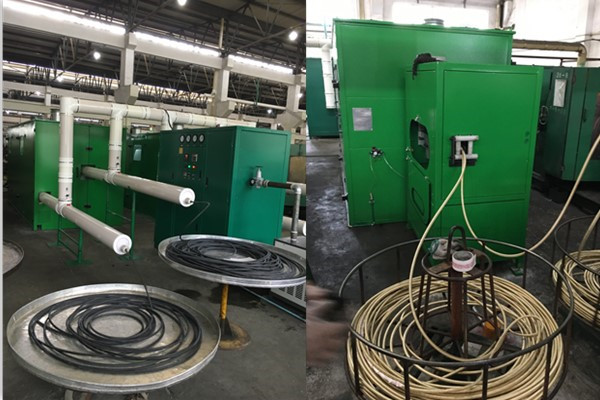
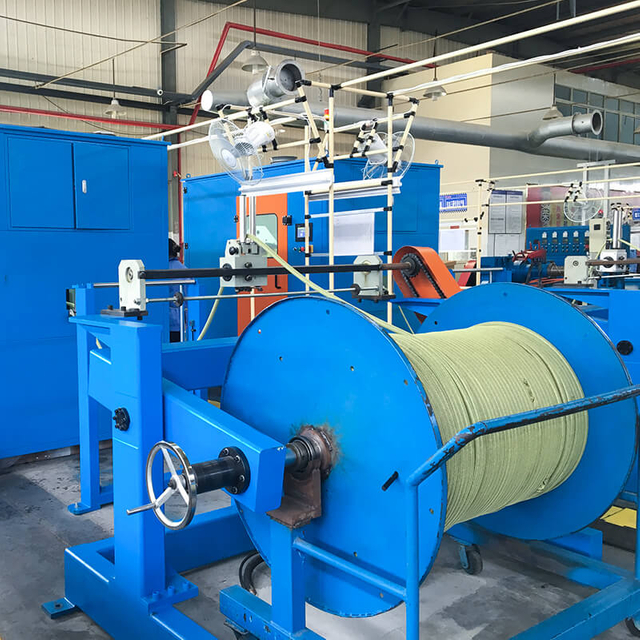
Scaling hydraulic hose production means choosing equipment matching your specific output demands perfectly. This becomes especially critical when bridging the gap between SAE 100 R1 single-wire and R2 double-wire manufacturing processes. Finding the right production balance ensures you meet strict order deadlines without overextending factory resources. The decision between a single-layer and a double-layer hose wire braiding machine impacts your floor space, operator training schedules, and routine bobbin changeover times. It also shifts your overall operational expenditure significantly over the equipment lifecycle. We provide a transparent, specification-driven framework for evaluating your next major equipment investment. You will learn how to accurately weigh agile single-layer units against high-capacity double-deck systems. This guide helps you align machine capabilities directly alongside your daily production realities.
Key Takeaways
Single-layer machines offer lower CapEx and higher flexibility for factories handling high-mix, low-volume orders or primarily manufacturing 1SN/R1 hoses.
A double deck hydraulic hose wire braiding machine significantly reduces handling time and floor space for 2SN/R2 hose production by applying both wire layers in a single pass.
The primary tradeoff is equipment complexity: double-layer machines require advanced synchronized tension control and have a steeper operator learning curve.
Procurement should be based on a verifiable 80/20 product mix analysis rather than theoretical maximum capacity.
The Business Problem: Aligning Equipment with Production Realities
Moving half-finished hoses between single-layer units introduces massive staging bottlenecks across your factory floor. Every transfer demands extra physical handling and increases your work-in-progress inventory significantly. Storing massive spools of partially braided hose consumes valuable warehouse space. It also exposes the vulnerable first wire layer to environmental risks. Dust accumulation or ambient moisture oxidation between passes severely weakens rubber adhesion during the final curing phase. A weak bond eventually causes premature delamination in the field.
You face a difficult dilemma balancing redundancy against centralized efficiency. Buying two separate single-layer machines provides excellent operational redundancy. If one unit breaks down, you keep producing hoses on the second unit. However, running two machines demands more trained operators and consumes double the factory footprint. Purchasing one double-layer machine centralizes your production pipeline beautifully. Yet, it creates a single point of failure if the central system goes offline unexpectedly. A sudden mechanical jam halts your entire dual-wire output instantly.
You must evaluate equipment based on overall equipment effectiveness across different shift environments. Focus closely on verifiable wire tension consistency rather than just theoretical spindle speeds. Analyze utility consumption per meter of braided hose to gauge long-term mechanical efficiency. Avoid purchasing equipment based strictly on maximum output specifications if your daily product mix cannot utilize those speeds effectively.
Single-Layer Hose Wire Braiding Machines: Agility and Core Strengths
Single-layer units excel inside highly dynamic manufacturing environments. They serve as the ideal choice for facilities producing primarily one-wire braided hoses. Common applications include SAE 100 R1 specifications, low-pressure industrial hoses, and flat hoses. You gain immense flexibility handling high-mix production schedules. Operators can easily reconfigure the machine for different hose diameters multiple times per shift. This agility keeps short-run custom orders profitable.
Engineers design these units utilizing streamlined mechanical principles. They are often built as a high speed hydraulic hose wire braiding machine. These models maximize rotational RPMs effortlessly because they operate without heavy burdens. They do not carry a second deck's structural weight. They also skip the complex mechanical synchronization required between two rapidly moving layers. This targeted simplicity translates into distinct daily operational advantages.
You experience a substantially lower initial capital expenditure during procurement. Routine bobbin changeovers happen much faster. Operators thread a single deck quickly, minimizing total downtime between varying hose specifications. Troubleshooting remains highly straightforward for maintenance crews. You encounter a much lower risk of extended mechanical downtime. Mechanics can easily access the spindle carriers, diagnose broken wires, and restart production rapidly.
You need heavy-duty capability for manufacturing premium dual-braid hoses. A dedicated double deck hydraulic hose wire braiding machine dominates high-volume production lines. It specifically targets high-pressure two-wire hoses like SAE 100 R2AT or EN 853 2SN. Continuous, single-pass manufacturing becomes absolutely mandatory for profitability in these competitive categories. You cannot afford the labor costs associated with manually transferring heavy spools for a second pass.
The engineering involves operating two distinct carrier decks located on the exact same chassis. Manufacturers configure these decks either concentrically or sequentially depending on the machine style. The equipment weaves the inner and outer wire matrices simultaneously over the inner rubber core. It feeds the intermediate rubber layer precisely between the two wire layers during the same continuous cycle. This synchronization delivers massive operational advantages for scaling businesses.
This design cuts total production time for R2 hoses by nearly fifty percent. You avoid the dreaded two-pass processing delay entirely. The unified equipment requires thirty to forty percent less factory floor space. You save massive amounts of square footage compared to running two separate single-layer units side-by-side. Furthermore, single-pass processing ensures perfectly consistent tension and alignment. The inner and outer wire layers bond flawlessly before the middle rubber layer enters the curing oven.
Head-to-Head Evaluation Framework
Production Volume vs. Product Mix
Single-layer setups thrive on variety and constant adaptation. They perform best for operations requiring frequent diameter adjustments or material changeovers. Your operators can handle different product specifications daily without losing excessive production hours. Double-layer systems are built specifically for long, continuous manufacturing runs. They excel while producing standardized dual-braid hoses for weeks at a time. Frequent changeovers severely impact overall efficiency on a double-deck unit. You lose too much profitable time re-threading dozens of bobbins across two massive carrier decks.
Tension Synchronization and Scrap Rates
Precise tension control dictates your final hydraulic hose quality. You must strictly analyze the mechanical versus electronic tensioning systems during the procurement phase. Double-deck operations demand highly precise programmable logic controls. These systems ensure the outer wire braid aligns perfectly over the inner braid. If synchronized tension fails, the rigid outer wires will physically crush the inner core. Advanced machines read tension dynamically and adjust speeds automatically. They reduce scrap rates by preventing uneven wire overlaps. Single-layer units rely on simpler tension mechanics. They pose fewer inherent risks regarding inner core deformation.
Floor Space, Power Consumption, and Infrastructure
Evaluate the actual utility draw inside your manufacturing facility carefully. Compare the required kilowatt-hour consumption per meter of braided hose produced. Double-layer machines draw significantly more peak power during their initial startup phase. However, they yield far better overall energy efficiency for two-wire production. Running one large synchronized motor often beats powering two separate motors continuously. Space constraints also dictate many purchasing decisions. A single dual-deck frame opens up vital warehouse pathways. It clears room for additional curing ovens or testing equipment.
Review the technical comparison chart below to align these metrics:
Evaluation Metric
Single-Layer Machine
Double-Layer Machine
Primary Application
SAE 100 R1, low-pressure, flat hoses
SAE 100 R2AT, EN 853 2SN
Floor Space Required
High (if running two units)
Compact (30-40% savings)
Changeover Speed
Fast (single deck threading)
Slow (requires threading two decks)
Operator Skill Level
Standard/Entry-level training
Advanced/Senior technician required
Scrap Risk
Low (simple tension mechanics)
High (if synchronization fails)
Implementation Realities & Risk Mitigation
You must actively plan for real-world deployment challenges before finalizing your equipment purchase. Operational expertise represents your first major hurdle. Running a double-deck system proves exponentially more complex than managing single-layer units. Operators must thread multiple decks perfectly without tangling the fine high-tensile wires. They manage wire bobbin depletion rates on two independent decks simultaneously. Diagnosing carrier jams deep inside the lower deck requires senior technicians. A novice operator missing a tension error can easily cause massive scrap runs.
Maintenance overhead increases predictably alongside mechanical complexity. Double-layer designs house a much higher density of moving parts. You maintain double the spindles, massive gearboxes, and intricate carrier tracks. A sudden mechanical failure in the lower deck often requires halting the upper deck entirely. This completely stalls your production line until repairs finish. You must stock a larger inventory of replacement gears and spindle components.
Mitigation requires proactive planning and rigorous pre-purchase analysis. Follow this logical shortlisting sequence:
Audit your current work-in-progress inventory bottlenecks carefully. Identify exactly where half-finished hoses stack up.
Analyze how much actual factory floor space your partial spools currently consume.
Request detailed mean time between failures data from competing equipment manufacturers.
Confirm spare parts availability timelines and service level agreements before committing to a double-deck system.
Understanding these practical constraints helps you avoid costly post-installation surprises. Proper risk mitigation ensures your new equipment scales your business profitably.
Conclusion
Do not overbuy your equipment based purely on impressive marketing specifications. Evaluate your daily output meticulously before signing purchase orders. If your production remains primarily single-braid, an agile, high-speed single-layer unit offers the strongest return on investment. You maintain critical manufacturing flexibility without inflating utility costs. Conversely, if you are aggressively scaling SAE 100 R2 manufacturing, a double-deck machine becomes a necessary upgrade. It allows you to compete aggressively on sheer volume and rapid delivery times.
Focus your final vendor discussions on practical, long-term operational metrics. Prioritize post-installation operator training and electronic control reliability. Exact tension-control mechanisms matter far more than just top-end spindle rotational speeds. Prepare your maintenance workforce for the upcoming mechanical transition. Building proper internal expertise guarantees consistent hose quality and maximizes equipment lifespan.
FAQ
Q: Can a double deck hydraulic hose wire braiding machine be used to make single-layer hoses?
A: Yes, by leaving the second deck unthreaded or disengaged. However, it is highly inefficient regarding power consumption and machine wear compared to using a dedicated single-layer machine. You essentially power a massive chassis and heavy motor for half the expected output.
Q: What is the difference in maintenance costs between the two types of machines?
A: Double-deck machines typically incur 30-50% higher annual maintenance costs. This increase stems from complex synchronization gearboxes and doubled carrier components. You must service more intricate moving parts continuously to prevent catastrophic mechanical breakdowns during high-speed runs.
Q: Does a high speed hydraulic hose wire braiding machine sacrifice tension quality for speed?
A: Not necessarily. Modern high-speed machines utilize automated electronic tension controls to maintain wire consistency even at peak RPMs. However, they strictly require high-quality, uniform wire bobbins to prevent sudden snaps and ensure perfectly smooth operation.