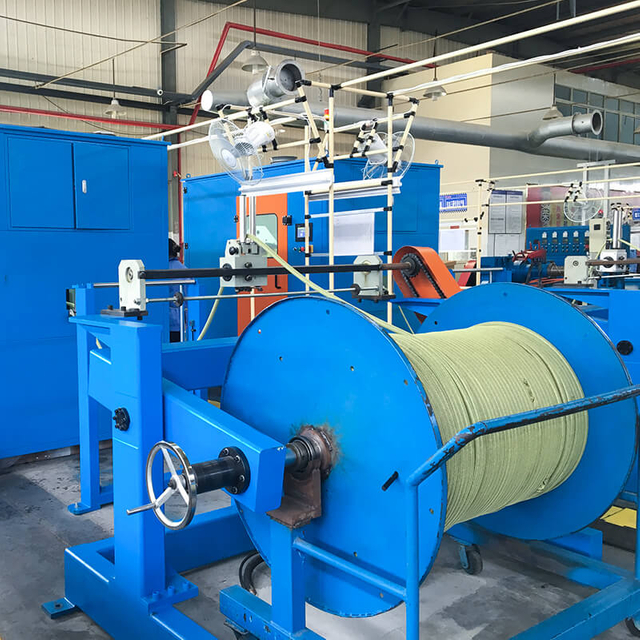
Modern agriculture depends on hydraulic power. From tractors pulling heavy implements to harvesters processing hundreds of acres per day, hydraulic systems drive the essential functions of farm equipment. At the center of these systems are Hydraulic Hoses, which carry pressurized fluid to power steering, lifting, braking, and implement control. When a Hydraulic Hose fails, operations stop. A single hour of downtime during peak harvest can result in substantial revenue loss, making correct hose selection a critical business decision. This guide covers everything you need to know about selecting the right Hydraulic Hoses for agricultural machinery, including pressure ratings, materials, construction types, and the role of preparation equipment.
Why Hydraulic Hose Selection Matters for Agricultural Machinery
Hydraulic Hoses face exceptionally tough conditions in agriculture. They endure constant pressure changes, extreme temperature swings, and repeated exposure to chemicals such as fertilizers, pesticides, and fuels. A hose that is not suited to these demands can fail prematurely, leading to leaks, breakdowns, or serious safety hazards. Selecting hoses that match your equipment specifications ensures reliable performance and reduces the frequency of costly repairs or replacements.
Agricultural equipment operates across diverse applications. Tractors use hydraulic systems to raise and lower implements like plows and seeders. Harvesters rely on hydraulics to adjust cutting height and rotate augers. Sprayers depend on high-pressure hoses to distribute chemicals at optimal flow rates. Each application places unique demands on the hose, making proper selection essential.
Key Selection Criteria for Hydraulic Hoses
Pressure Requirements
Every piece of agricultural machinery has a maximum operating pressure. When selecting Hydraulic Hoses, compare this figure to the hose's rated working pressure and burst pressure. The hose's working pressure must match or exceed your machinery requirements to avoid unexpected blowouts. Consider choosing a hose with a working pressure above operational requirements to minimize failure risk and help ensure worker safety.
Temperature Range
Farm work occurs in both scorching heat and freezing winter conditions. Hydraulic Hoses must cope with the temperatures your machinery will experience. Extreme heat or cold can weaken hose materials if they are not designed for those conditions. Hoses should be designed to perform in extreme conditions, from freezing temperatures to high-heat environments, with freezing conditions requiring specific compounds to maintain flexibility and function.
Environmental Factors
Agricultural Hydraulic Hoses frequently encounter dirt, mud, and abrasive surfaces. Choose a cover that resists scratches, scuffs, and chemicals, particularly if the hose will be repeatedly dragged or bumped against hard surfaces. An abrasion-resistant cover extends hose life and reduces the risk of premature failure. Consider exposure to fertilizers, pesticides, and moisture, which are inevitable on a farm, to ensure hoses and fittings can withstand agricultural chemicals.
Hose Diameter and Flow Capacity
Proper internal diameter ensures correct flow capacity and overall system performance. A Hydraulic Hose that is too narrow can limit fluid flow and cause pressure spikes, while an overly wide hose may reduce system responsiveness. Hose selection must consider inner diameter for flow and velocity, outer diameter for fit, and length for movement.
Fluid Compatibility
The hose's inner tube must be compatible with the fluid it transports. Agricultural hydraulics can involve standard oils, bio-based fluids, or synthetic formulas. Certain chemicals can weaken unsuitable hose materials, leading to reduced service life or system contamination. Rubber, thermoplastic, and PTFE hoses are generally suitable for use with organic oils, oils based on synthetic esters, rapeseed oil, and polyglycol.
Bend Radius and Flexibility
Machinery setups often have limited space. Exceeding a hose's recommended bend radius can result in kinks or weakening of the hose. Review the minimum bend radius in the technical specifications to confirm it is suitable for your equipment layout. If a hose is subjected to constant flexing while under pressure, the reinforcement used and its minimum bend radius must be considered to ensure peak hose life span.
Hose Construction Types
Hydraulic Hoses are made from three key components: an inner tube that contacts the hydraulic fluid, a reinforcement layer that provides strength, and an outer cover that protects against external damage. The inner tube is typically made of synthetic rubber, thermoplastic, or PTFE to ensure compatibility with different hydraulic fluids. The reinforcement layer is usually made of braided or spiral-wound metal wires or textile fibers, depending on the hose's pressure rating and application.
Braided Hydraulic Hoses
Braided Hydraulic Hoses feature one, two, three, or even more braided wire layers. These hoses are suitable for medium pressure applications and are commonly used in industrial and agricultural equipment. They are more flexible, typically less expensive, and have higher impact resistance in a more compact size than spiral hoses. The reinforcement wires are interwoven at an optimal angle, creating a balanced structure that provides good flexibility for routing in tight spaces.
Spiral Hydraulic Hoses
Spiral Hydraulic Hoses are made from synthetic rubber and wire, with stacked wires rather than threaded wires. They are engineered for even higher pressure and high impulse settings than braided hoses, making them strong and durable. Spiral hoses are suitable for high-pressure applications and are commonly used in heavy-duty construction and mining equipment. They have a longer service life because they are more resistant to fatigue and wear, making them ideal for demanding agricultural applications.
The table below summarizes the key differences between braided and spiral Hydraulic Hoses:
| Feature | Braided Hydraulic Hose | Spiral Hydraulic Hose |
| Construction | Interwoven wire layers | Stacked wire layers |
| Pressure Capacity | Medium to high | Ultra-high |
| Flexibility | More flexible | Sturdier, less flexible |
| Bend Radius | Smaller | Larger |
| Typical Applications | Agricultural equipment, general hydraulics | Heavy-duty construction, mining, extreme applications |
| Cost | Generally lower | Generally higher |
Hose Materials for Agricultural Applications
Rubber Hydraulic Hoses
Rubber Hydraulic Hoses are often the best choice for heavy-duty industrial applications where high pressures, extreme flexibility, and rugged durability are required in construction, mining, agriculture, and heavy machines. Rubber hoses can be used with the majority of hydraulic fluids. Rubber compounds such as Nitrile, Neoprene, and EPDM are commonly used due to their excellent resistance to oil, fuel, and other hydraulic fluids.
Thermoplastic Hydraulic Hoses
Thermoplastic Hydraulic Hoses are better suited for lighter-duty applications where chemical resistance, weight savings, and temperature stability are more important. They are commonly used in industries where the hose needs to withstand exposure to chemicals, high temperatures, and UV radiation. Thermoplastic hoses are lightweight and resistant to chemicals, making them commonly used in mobile and industrial applications where flexibility and weight reduction are essential.
PTFE Hydraulic Hoses
PTFE Hydraulic Hoses are stronger than rubber hoses and are typically used in hazardous situations involving hydraulic oils, chemicals, paint, or dissolvents. They are known for their high chemical resistance and ability to withstand extreme temperatures, used in applications where the fluid may be corrosive or at high temperatures.
Industry Standards and Certification
Look for Hydraulic Hoses that meet industry standards such as SAE or ISO. These certifications indicate the product has been tested for performance and safety. Common standards include SAE 100R series, EN853, EN856, and ISO 1436. For agricultural machinery, standards such as SAE 100R7 and DIN EN 855 specify requirements for flexible high-pressure hydraulic lines. Certifications such as SAE 100R2AT and ISO 1436-1 Type 2SN indicate the hose meets rigorous performance requirements.
The Role of Hose Preparation Equipment
Proper assembly of Hydraulic Hoses requires specialized preparation equipment. Automatic Hose Cutting Machine and Hose Pressure Testing And Cleaning Machine are essential tools for ensuring reliable, leak-free connections.
Automatic Hose Cutting Machine
An Automatic Hose Cutting Machine is essential for producing clean, square cuts on Hydraulic Hoses before assembly. These machines cut steel wire braided hoses, wire wound hoses, and other types with precision and consistency. The balanced feed system makes cutting force more uniform, while unique cushioning mechanisms make the cutting process smoother and safer. An Automatic Hose Cutting Machine ensures that each hose is cut to the exact length required, reducing waste and improving assembly quality.
Automatic Hose Skiving Machine
An Automatic Hose Skiving Machine is designed to precisely remove the outer layer of a hose to prepare it for fitting attachment—a process known as skiving. This ensures a secure, leak-free connection between the hose and its fitting, which is critical for maintaining system integrity under high pressure. Automatic Hose Skiving Machine systems automate the entire skiving process, including feeding, cutting, and ejection, offering high production efficiency and consistent, repeatable results. These machines are ideal for large-scale manufacturing and high-volume hose assembly operations.
Hose Pressure Testing And Cleaning Machine
Before being put into service, Hydraulic Hoses should be tested to verify their integrity. A Hose Pressure Testing And Cleaning Machine performs two critical functions. First, it pressure-tests the assembled hose to ensure it can withstand operating pressures without leakage or failure. Second, it cleans the hose interior to remove any contaminants introduced during cutting and assembly, preventing system contamination.
Together, Automatic Hose Cutting Machine, Automatic Hose Skiving Machine, and Hose Pressure Testing And Cleaning Machine form a complete Hydraulic Hose Auxiliary Equipment solution that ensures every hose assembly meets quality standards before installation.
Fittings and Connections
Poorly matched fittings often cause leaks. Look for fittings recommended by the hose manufacturer to minimize the chance of mismatched threads or materials. Ensure the assembly can handle your system's operating pressure. Seamless compatibility between the hose and the connection is crucial for overall machine performance. OEMs should ensure that fittings match the pressure and fluid specifications of the machinery. Select fittings with protective coatings to withstand exposure to fertilizers and other agricultural chemicals.
Maintenance and Inspection
Hydraulic Hoses are wear items with a defined service life and must be monitored closely to avoid unplanned failure. Regular inspection of hoses for cracks, leaks, and other signs of wear is essential. Swelling or blistering may indicate internal damage. Hydraulic hoses should be inspected by an expert under safety-related aspects at least once every year and replaced if damaged or excessively aged.
Common warning signs that indicate a Hydraulic Hose needs replacement include:
Visible abrasions or scuff marks that weaken the outer cover
Cracks, cuts, or surface damage near bends or where hoses flex
Bulges or blistering indicating internal tube separation
Oil leakage or weeping at fittings
Hose stiffness or brittleness from age or heat damage
Corrosion on fittings compromising the seal
Flattened or kinked hoses from improper routing
Many Hydraulic Hoses have an average service life of 5 to 7 years, depending on operating conditions and usage. Proper care can extend system life significantly and reduce downtime during critical farming operations.
Selecting the Right Hydraulic Hose for Your Equipment
When choosing Hydraulic Hoses for agricultural machinery, follow a systematic approach:
Identify the maximum operating pressure of your system and select a hose with working pressure that meets or exceeds it.
Determine the temperature range of your operating environment, including both fluid temperature and ambient conditions.
Verify fluid compatibility, checking whether your equipment uses standard oils, bio-based fluids, or synthetic formulas.
Measure the required inner diameter to ensure proper flow capacity.
Assess the available space and routing to confirm the hose's bend radius is suitable.
Evaluate environmental exposure to abrasion, chemicals, UV, and moisture.
Select the appropriate reinforcement type based on pressure requirements.
Confirm that fittings are compatible and properly specified.
Conclusion
Choosing the right Hydraulic Hoses for agricultural machinery requires careful evaluation of pressure requirements, temperature conditions, fluid compatibility, and environmental exposure. Proper selection, combined with quality assembly using Automatic Hose Cutting Machine and Automatic Hose Skiving Machine equipment, ensures reliable performance and minimizes costly downtime during critical farming operations.
Nanjing Hydraulic Sun Technology Co., Ltd. specializes in Automatic Hose Cutting Machine, Automatic Hose Skiving Machine, Hose Pressure Testing And Cleaning Machine, and other Hydraulic Hose Auxiliary Equipment. Contact their technical team to learn more about complete hose preparation solutions for your agricultural machinery production line.
FAQs
Q: What is the most common type of Hydraulic Hose used in agricultural machinery?
A: Reinforced rubber Hydraulic Hoses with steel wire braid reinforcement are the most widely used in agricultural applications. They offer excellent flexibility, good pressure ratings, and reliable durability for general farm equipment. For ultra-high-pressure applications such as heavy harvesters or large tractors, spiral reinforced hoses are often preferred.
Q: How often should Hydraulic Hoses be replaced on farm equipment?
A: Most Hydraulic Hoses have an average service life of 5 to 7 years under normal operating conditions. However, hoses exposed to harsh conditions, frequent pressure cycling, or abrasive environments may need replacement sooner. Regular visual inspections should be performed before each season, and hoses showing cracks, bulging, leaks, or stiffness should be replaced immediately regardless of age.
Q: Why are Automatic Hose Cutting Machine and Automatic Hose Skiving Machine important for hose assembly?
A: An Automatic Hose Cutting Machine ensures clean, square cuts at precise lengths, while an Automatic Hose Skiving Machine removes the outer cover accurately to prepare the hose for fitting attachment. These machines produce consistent, repeatable results essential for leak-free connections. Without proper cutting and skiving, fittings may not crimp correctly, leading to premature failure under pressure.