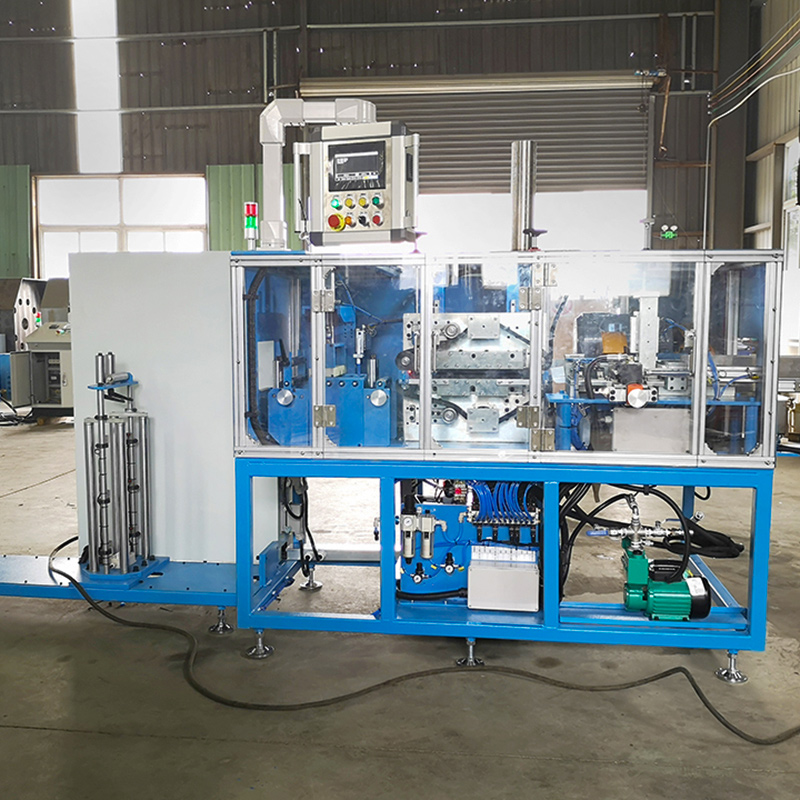
Exact skiving forms the undisputed backbone of reliable hydraulic assembly integrity. When you strip the outer or inner rubber layers flawlessly, the metal fitting grips the steel wire reinforcement securely. Unmaintained equipment disrupts this delicate balance immediately. Neglected machines lead to improper hose fittings, invisible micro-leaks, and catastrophic field failures. Reactive maintenance severely inflates your daily operating expenses through unplanned downtime, wasted raw materials, and expedited tooling wear. You wait for machinery to break down, which constantly halts your production floor.
We built this comprehensive guide to give you a standardized, evidence-based preventive maintenance framework. Following these protocols helps you maximize your machine lifespan and ensures consistent skiving tolerances across every batch. You will learn how to identify critical wear patterns early and prevent major mechanical failures before they happen.
We also provide clear diagnostic tools to guide your end-of-life equipment evaluation. You will gain the exact knowledge needed to decide confidently when to repair your current setup or upgrade your machinery entirely.
Key Takeaways
Preventive ROI: Scheduled maintenance reduces unexpected downtime by mitigating hydraulic fluid contamination and blade dulling.
Frequency Matrix: Effective maintenance requires tiered protocols: daily operational checks, weekly calibration, and monthly system diagnostics.
Automation Variables: Upgrading to an automatic hose skiving machine shifts the maintenance burden from mechanical adjustments to sensor and software calibration.
Lifecycle Evaluation: Tracking maintenance intervals provides hard data for shortlisting replacement equipment when repair costs exceed the amortized cost of a new machine.
The Business Case for Preventive Maintenance in Hose Production
Equipment neglect carries severe hidden costs. A dull blade or a misaligned mandrel ruins expensive hydraulic hoses instantly. You compromise workplace safety and risk voiding OEM warranties when you ignore scheduled upkeep. Broken machines halt production schedules, frustrating your floor operators and delaying output. Preventive care eliminates these hidden operational penalties entirely.
We define success in skiving operations through Overall Equipment Effectiveness (OEE). High OEE means your machine runs at optimal speed, produces zero defects, and experiences minimal unplanned stops. Preventive maintenance directly supports all three OEE pillars. Clean blades improve quality, lubricated rails increase speed, and tight fittings guarantee continuous availability.
Leading operations mandate standard operating procedures (SOPs) to achieve these OEE targets. They never rely on operator memory. Documented maintenance steps ensure every technician performs checks identically. Standardized procedures remove guesswork and build a culture of accountability on the production floor.
Before touching the machinery, you must prioritize safety and compliance. Technicians require appropriate personal protective equipment (PPE), including cut-resistant gloves and safety glasses. Always implement strict lockout/tagout (LOTO) procedures. Isolate the machine from electrical and pneumatic energy sources before starting any maintenance task to prevent accidental activation.
The Comprehensive Hose Skiving Machine Maintenance Checklist
We organize maintenance into tiered intervals. A structured approach catches minor issues before they escalate into costly mechanical failures. Follow this breakdown to keep your equipment running smoothly.
Daily Pre-Shift Inspections
Begin your shift by checking for visible hydraulic fluid leaks around the machine base. Monitor the pneumatic systems for sudden pressure drops. Small leaks often indicate failing seals requiring immediate attention before full blowouts occur. Early detection saves gallons of expensive hydraulic fluid.
Clear all debris, rubber shavings, and sharp wire dust from the skiving mandrel and chuck. Build-up in these areas ruins skiving accuracy rapidly. A clean chuck grips the hose securely, preventing unwanted twisting during the cutting process. Wipe the surfaces down thoroughly.
Verify your emergency stop (E-stop) functionality before loading the first hose. Press the button and ensure the motor cuts power instantly. Ensure all safety guards align perfectly and latch securely. Never operate the machine if guards show signs of bending or tampering.
Weekly Calibration & Lubrication
Inspect your skiving blades and cutting tools meticulously. Look closely for micro-chips or asymmetrical wear patterns along the cutting edge. Chipped blades tear the rubber instead of slicing it cleanly. Replace damaged blades promptly to maintain tight production tolerances.
Lubricate all guide rails, rotating shafts, and moving mechanical joints according to OEM specifications. Use only recommended greases. Proper lubrication reduces friction, preventing the motor from overworking. Wipe away old, contaminated grease before applying fresh layers.
Verify the alignment of the mandrel against standard hose tolerances. Use digital calipers to measure a test cut. A quick weekly calibration prevents massive batch rejections. Adjust the blade depth incrementally until the stripped diameter matches your target specifications perfectly.
Monthly System & Fluid Diagnostics
Examine the hydraulic hoses and fittings physically attached to the machine itself. Check them for external wear, abrasions, or structural fatigue. Constant vibration causes internal machine hoses to rub against metal panels, creating weak points over time.
Check the main hydraulic oil reservoir levels. Look for fluid oxidation, which appears as a dark, cloudy discoloration. Clean or replace the intake filters to maintain fluid purity. Contaminated oil degrades internal pump components and slows down the skiving cycle.
Test all electrical connections, foot pedals, and contactors. You need voltage consistency to ensure smooth motor operation. Loose wiring causes intermittent stalling and frustrates operators. Tighten all terminal blocks inside the control panel safely.
Maintenance Interval
Key Action Items
Primary Component Focus
Daily
Clear debris, check E-stops, spot fluid leaks
Mandrel, Chuck, Safety Guards
Weekly
Lubricate joints, inspect for micro-chips, calibrate
Blades, Guide Rails, Rotating Shafts
Monthly
Test electricals, check oil oxidation, replace filters
Hydraulic Fluid, Contactors, Hoses
Component Deep-Dive: Managing Blades, Mandrels, and Hydraulics
Every component demands specific attention to maintain optimal performance. Tooling wear tolerances dictate your final product quality directly. You must accurately measure when a blade passes its useful life versus when it simply needs realignment. Use precision micrometers to check the stripped hose diameter regularly. If the diameter fluctuates widely despite tight machine settings, your blade likely requires complete replacement. A simple realignment fixes minor depth discrepancies, but chipped edges demand immediate blade swapping.
Mandrel integrity heavily impacts your daily success. We evaluate the impact of scored or bent mandrels on internal and external skiving accuracy constantly. Even a slightly bent mandrel causes an uneven peel. It leaves too much rubber on one side and exposes bare wire on the opposite side. Operators often inadvertently score the mandrel by setting the internal skiving tool too deep. Replace scored mandrels immediately to protect the sensitive inner tube of your upcoming hose batches.
Finally, monitor your fluid power health vigorously. Maintaining consistent pressure for a hydraulic hose cutting skiving machine remains non-negotiable. Steady hydraulic pressure ensures clean, repeatable cuts without fraying the inner wire braids. Fluctuating pressure leads directly to jagged edges and weak crimp joints. Listen to the pump during operation. Whining or groaning noises indicate air entering the lines. Bleed the system properly to restore smooth, consistent cutting force.
Automatic vs. Manual Systems: Maintenance Variations
Your maintenance strategy must adapt completely to the type of equipment you operate. Manual equipment carries unique risks. These older machines possess a high dependency on operator physical maintenance. You face a much higher risk of inconsistent lubrication, as manual greasing schedules often slip during busy production shifts. Moving parts degrade significantly faster without precise, timely lubrication. Operators also apply variable pushing force, causing unpredictable wear on the carriage tracks.
Automation offers distinct operational and maintenance advantages. When you upgrade to an automatic hose skiving machine, you reduce mechanical wear immediately. Programmable feeds apply consistent, measured force. This prevents the erratic manual pushing that constantly strains electric motors. Many automated units also feature automated debris extraction systems. These systems keep the chuck clean automatically, eliminating the need for constant manual brushing.
However, automation introduces entirely new maintenance vectors. You shift your primary focus toward maintaining limit switches, PLC sensors, and digital interfaces. Dust settling on an optical sensor causes more sudden downtime than a dry bearing. You must adapt your daily routines to care for these sensitive electronic components properly.
Follow these specific steps for maintaining automated sensors:
Wipe down all optical sensors daily using a dry microfiber cloth to prevent false readings.
Calibrate the PLC touchscreen inputs weekly against a known measurement standard.
Update software firmware monthly to patch known operational bugs and improve cycle times.
Inspect digital limit switches for wire fraying or loose mounting brackets.
Diagnostic Frameworks for Common Skiving Failures
Even under perfect preventive care, occasional operational issues arise. We rely on a symptom-to-solution mapping framework to resolve these problems rapidly. Diagnosing the root cause quickly keeps your line moving and prevents unnecessary parts swapping.
If you experience uneven skiving depth around the hose circumference, you likely have a worn mandrel or a severely misaligned blade carriage. Check the mandrel for straightness first using a dial indicator. If the mandrel sits perfectly straight, recalibrate the blade angle. Conversely, if the machine stalls unexpectedly during a heavy operation, you are likely experiencing a hydraulic pressure drop or fluid aeration. Check the main oil reservoir for foam immediately, as foam indicates air bleeding into the suction lines.
Knowing when to fix it yourself matters heavily. Handle basic blade swaps, sensor wiping, and greasing internally. However, you must escalate complex hydraulic proportional valve failures or internal PLC board malfunctions. Reach out to external hydraulic hose production equipment support networks when dealing with deep electronic or fluid power issues. Expert vendor technicians diagnose root causes faster and prevent accidental damage during complex, intricate repairs.
Common Symptom
Probable Root Cause
Immediate Diagnostic Action
Uneven skiving depth
Bent mandrel or loose carriage
Measure mandrel runout with a dial indicator
Machine stalls mid-cut
Fluid aeration or low system pressure
Check reservoir for foam; test pump pressure
Frayed wire braids
Dull blade or incorrect feed speed
Inspect blade edge; adjust PLC feed rate
Erratic sensor readings
Rubber dust blocking optical eyes
Wipe sensors down; check for loose wiring
Equipment Lifecycle: When to Upgrade Your Skiving Machine
Every machine eventually reaches the end of its productive life. You must evaluate the delicate balance between ongoing maintenance and complete equipment replacement carefully. The critical threshold occurs clearly when replacement parts and labor costs outpace the investment required for modernized equipment. If your team spends constant hours replacing obsolete seals and realigning worn tracks, upgrading becomes the smarter operational move.
Use clear, objective logic for shortlisting new purchases. Evaluate features-to-outcomes meticulously. Ask yourself if an integrated dust-extraction feature justifies the initial upgrade investment. If it saves your maintenance team 5 hours of manual cleaning every single month, the upgrade pays for itself rapidly. Modern features must solve your specific daily bottlenecks.
Consider these factors when shortlisting new equipment:
Assess vendor reliability deeply, looking for guaranteed spare parts availability.
Demand comprehensive service-level agreements (SLAs) from the manufacturer.
Verify the availability of ongoing technical training for your floor operators.
Ensure the new machine handles your specific wire-braid types without straining.
Your next action step remains straightforward. Audit your current machine repair logs for the past 12 months. Calculate the exact hours and part costs spent keeping legacy equipment alive. This objective data builds a strong, factual case for retention or immediate replacement.
Conclusion
A rigorous maintenance checklist represents far more than a basic operational requirement. It acts as a primary profitability driver for your facility. Well-maintained machinery minimizes scrap rates, protects raw materials, and keeps your production schedules firmly on track. Routine care prevents the chaotic scrambling associated with sudden machine failures.
We encourage operational managers to take this framework and formalize the provided checklist directly into their daily floor routines. Print the schedules, laminate them clearly, and attach them directly to the machines. Make preventive care an unavoidable part of every shift.
Take decisive action today. Consult with your equipment engineers to audit your current setup thoroughly. Identify exactly where your preventive care falls short. If your older machines require too much manual upkeep, request a demo for self-maintaining or automated skiving solutions. Modernizing your floor secures your competitive edge and keeps your production output highly reliable.
FAQ
Q: How often should skiving machine blades be replaced?
A: The replacement frequency depends heavily on your production volume and the specific wire type. Processing 6-wire hoses dulls blades much faster than standard 4-wire variants. You should conduct a visual inspection for wear and micro-chips weekly. Actual replacements are typically dictated by noticeable tolerance drop-offs during routine cutting.
Q: What type of hydraulic oil is best for skiving machine maintenance?
A: Always reference your manual to ensure you use OEM-recommended anti-wear (AW) hydraulic fluids. Most machines run optimally on AW32 or AW46 hydraulic oil. The specific choice depends largely on your facility's average ambient operating temperatures. Maintaining clean oil prevents premature wear on internal pump components.
Q: Can poor maintenance of a skiving machine affect hose assembly safety?
A: Yes, neglected maintenance severely compromises safety. Improper skiving leaves inconsistent rubber layers on the wire braid. This leads directly to weak, unreliable crimps. Weak crimp joints remain the primary cause of high-pressure hose blowouts in the field, posing massive safety hazards.
Q: Does upgrading to an automatic skiving machine eliminate maintenance?
A: No, automation does not eliminate maintenance entirely. Instead, it shifts the focus of your maintenance tasks. You move away from heavy mechanical adjustments and constant manual greasing. Your new routines will center on preventive sensor cleaning, installing software updates, and performing targeted lubrication.