1.Introduction
Industrial hoses often fail under pressure and motion, causing costly downtime. Hose Textile Braiding Machines address this risk by reinforcing hoses with precision textile layers. In this article, you will learn the key application industries and understand where these machines deliver the greatest value.
2. Why Hose Textile Braiding Machines Matter in Modern Manufacturing
2.1 Textile Braiding as a Core Reinforcement Method
Textile braiding forms a structural layer around the hose core, distributing internal pressure evenly along the hose wall. This structure limits radial expansion, reduces localized stress, and delays fatigue failure. Compared with unreinforced or poorly reinforced hoses, braided hoses perform more consistently under repeated pressure cycles, making them suitable for demanding operating conditions.
2.2 Performance Improvements Enabled by Hose Textile Braiding Machines
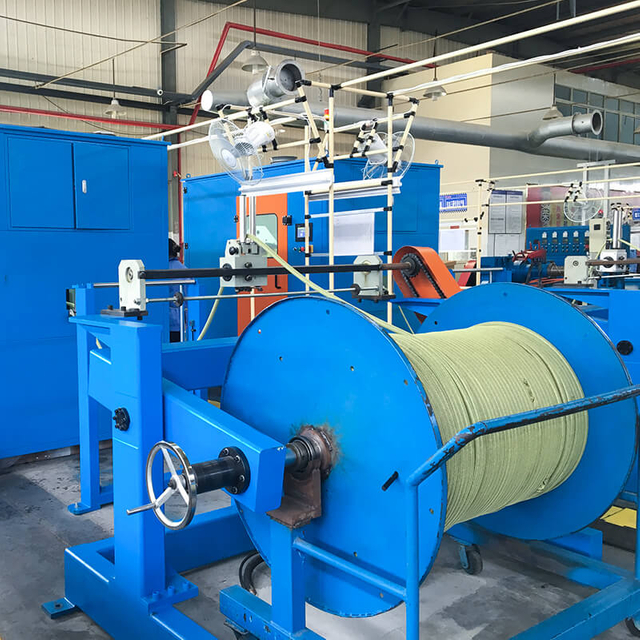
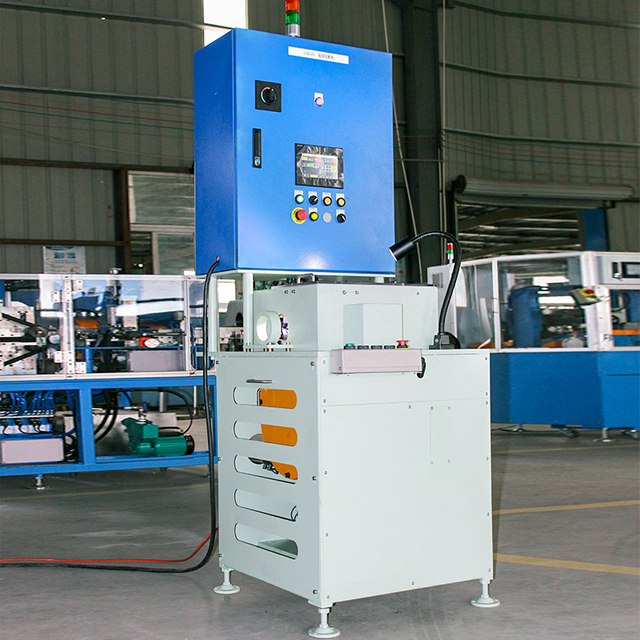
Hose Textile Braiding Machines provide precise control over yarn tension, braid angle, and coverage density. These parameters directly influence burst pressure, flexibility, and service life. Automated control systems reduce variation caused by manual operation and ensure repeatable quality across large production volumes. As a result, manufacturers achieve predictable hose performance and lower defect rates.
2.3 Material Flexibility and Production Adaptability
Modern braiding machines can process multiple yarn materials, including polyester, cotton, and high-strength aramid fibers. This adaptability allows manufacturers to serve diverse industries using one platform. Product changes require only parameter adjustments rather than equipment replacement, improving responsiveness to market demand.
Tip: Select yarn materials based on pressure and temperature targets before optimizing braid speed.
3. Automotive Industry Applications of Hose Textile Braiding Machines
3.1 Brake Hose Manufacturing and Safety Performance
Automotive brake hoses operate under frequent pressure pulses and must meet strict safety standards. During braking, any excessive hose expansion can delay pressure transmission, reducing braking response and vehicle control. Textile braiding plays a critical role by restricting radial growth and stabilizing hose geometry during rapid pressure changes. This structural reinforcement helps maintain consistent braking performance under repeated use.
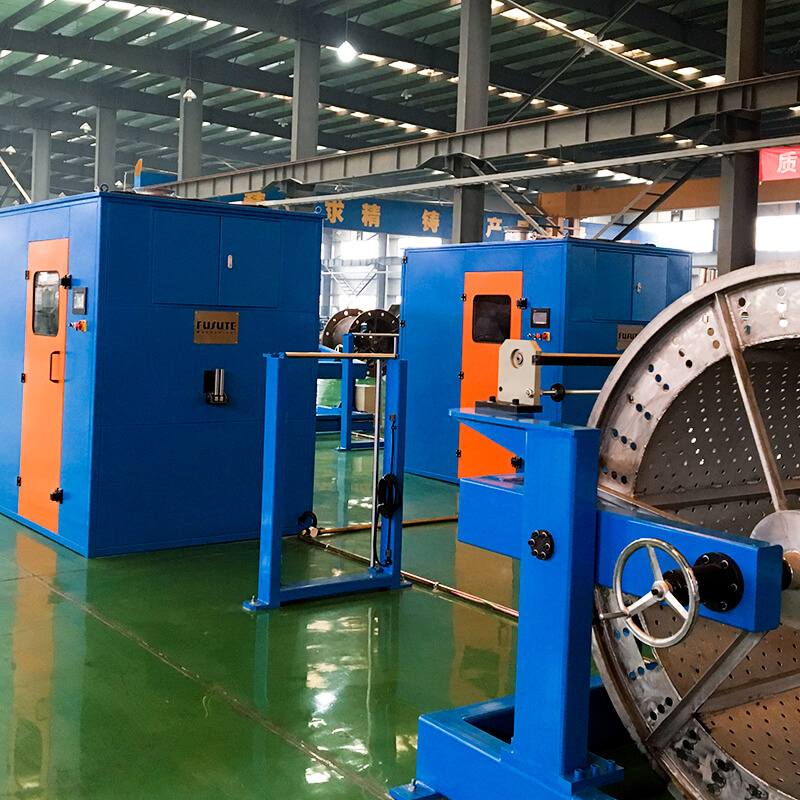
Hose Textile Braiding Machines ensure uniform braid density and precise tension control throughout production. Consistent reinforcement supports stable pressure resistance and improves fatigue life. These characteristics are essential for meeting automotive regulatory requirements and ensuring long-term safety in real driving conditions.
3.2 Fuel, Coolant, and Power Steering Systems
Fuel lines, coolant hoses, and power steering hoses must endure heat, vibration, and continuous motion. Textile-braided hoses balance flexibility with mechanical strength, allowing them to bend without cracking or collapsing. Braided structures also improve abrasion resistance, which is critical near engines and moving components.
3.3 High-Volume Automotive Production Requirements
Automotive suppliers operate under high-volume and cost-sensitive conditions. Automated braiding machines support continuous production with minimal downtime. Stable operation reduces scrap rates and improves delivery reliability, helping manufacturers meet just-in-time supply demands.
4. Aerospace and Aviation Applications of Hose Textile Braiding Machines
4.1 Performance Under Extreme Pressure and Temperature
Aircraft hydraulic systems function at very high pressures and experience rapid temperature changes. Failure tolerance is extremely low. Hose Textile Braiding Machines produce tightly controlled reinforcement layers that help hoses withstand these extreme conditions over long service cycles, supporting flight safety and reliability.
4.2 Lightweight Reinforcement Advantages
Weight reduction is a constant priority in aerospace design. Textile braiding offers high strength without the mass of metal reinforcement. Even small weight savings contribute to improved fuel efficiency and payload capacity. Textile-reinforced hoses provide an optimal balance between performance and weight.
4.3 Precision, Repeatability, and Compliance
Aerospace hoses require exact braid angles and consistent tension to prevent early fatigue. Advanced braiding machines maintain tight tolerances and ensure repeatability across batches. Integrated monitoring systems record operating data, supporting traceability and regulatory audits. Aerospace hose qualification often requires independent testing and certification (needs verification).
Industry | Typical Hose Function | Key Technical Requirement | Value of Textile Braiding |
Automotive | Brake and fuel transfer | Pressure stability | Limits hose expansion |
Aerospace | Hydraulic control systems | Lightweight and precision | High strength, low weight |
Industrial | Fluid and air transmission | Long duty cycles | Fatigue resistance |
Construction | Mobile hydraulics | Abrasion resistance | Structural stability |
Marine | Fuel and hydraulic lines | Corrosion tolerance | Reinforcement support |
Medical | Gas and fluid delivery | Dimensional accuracy | Flow consistency |
5. Industrial and Manufacturing Applications
5.1 Hydraulic and Pneumatic Systems
Industrial facilities rely heavily on hydraulic and pneumatic hoses for power transmission. These hoses operate continuously under pressure and must resist fatigue over long duty cycles. Textile braiding stabilizes hose walls and prevents sudden burst failures. Hose Textile Braiding Machines ensure reinforcement consistency that supports reliable factory operations.
5.2 Chemical and Thermal Exposure Resistance
Many industrial hoses carry oils, chemicals, or hot fluids. Braided reinforcement helps maintain hose shape under thermal stress and chemical exposure, protecting inner liners from deformation. This stability extends service intervals and reduces maintenance frequency.
5.3 Manufacturing Efficiency Benefits
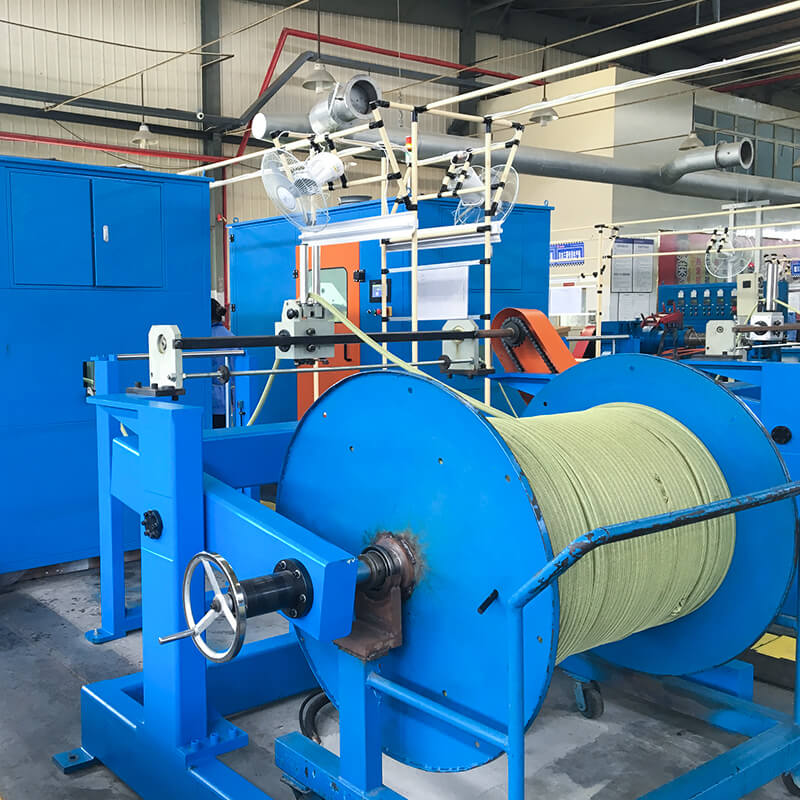
Automation reduces labor dependence and speeds up product changeovers. Manufacturers benefit from higher throughput, better quality control, and improved equipment utilization, all of which contribute to lower total production cost.
Production Aspect | Without Textile Braiding | With Hose Textile Braiding Machines |
Product consistency | Variable | Highly repeatable |
Pressure performance | Limited | Controlled and stable |
Changeover flexibility | Low | High |
Scrap and rework rate | Higher | Reduced |
Automation level | Manual dependent | PLC-controlled |
Long-term operating cost | Unpredictable | Optimized |
6. Construction and Heavy Equipment Applications
6.1 Mobile Hydraulic Equipment Requirements
Construction machinery operates in constant motion, placing dynamic stress on hoses. Textile braiding absorbs these stresses and prevents sudden rupture during equipment movement. Reinforced hoses improve reliability for excavators, loaders, and cranes.
6.2 Abrasion and Harsh Environment Resistance
Construction sites expose hoses to dust, debris, and rough handling. Textile-braided hoses resist external abrasion and maintain performance despite environmental abuse. This durability is essential for field operations.
6.3 Downtime Reduction and Cost Control
Unexpected hose failure causes project delays and cost overruns. Braided hoses reduce failure frequency and support tighter project schedules, improving overall equipment availability.
Tip: Higher braid density improves durability for mobile hydraulic hoses.
7. Marine and Offshore Applications of Hose Textile Braiding Machines
Marine and offshore sectors operate in extreme conditions. Equipment must resist vibration, corrosion, and constant load changes. In this context, Hose Textile Braiding Machines play a critical role. They produce reinforced hoses designed for reliability at sea.
7.1 Marine Fuel and Hydraulic Systems
Marine vessels rely on hoses for fuel transfer, steering, and hydraulic control. Constant vibration and motion place stress on hose assemblies. Textile braiding stabilizes hose geometry and reduces fatigue-related failures.
7.2 Moisture and Corrosion Resistance
Marine environments accelerate degradation due to moisture and salt exposure. Braided reinforcement supports protective outer layers and slows environmental damage, extending hose service life.
7.3 Offshore Reliability Demands
Offshore maintenance is expensive and logistically complex. Reliable braided hoses reduce maintenance frequency and lower operational risk, making them critical components in offshore systems.
8. Medical and Precision Industry Applications
8.1 Medical Gas and Fluid Delivery
Medical hoses are widely used in oxygen supply, anesthesia systems, and fluid transfer equipment. In these scenarios, precision and consistency are more important than extreme pressure resistance. Textile braiding helps maintain a stable inner diameter, which ensures accurate and predictable gas or fluid flow. This stability is essential for patient safety and reliable clinical performance. At the same time, braided reinforcement allows hoses to remain flexible for daily handling without compromising structural control.
8.2 Small-Diameter Hose Manufacturing
Many medical and laboratory hoses feature very small diameters, making reinforcement difficult to control. Minor tension variations can cause kinks, deformation, or partial blockage. Advanced Hose Textile Braiding Machines provide precise tension control and uniform braid coverage at small scales. This accuracy prevents collapse during use and helps maintain consistent flow performance. As a result, manufacturers achieve higher product reliability and reduced scrap rates.
8.3 Clean and Controlled Production
Medical manufacturing requires strict cleanliness and controlled processes. Modern braiding systems often use enclosed designs that reduce exposure to dust, oil, and external contaminants. Automated operation limits direct human contact during production, supporting hygienic workflows and stable quality control. These features help manufacturers align with medical industry expectations and reduce compliance risks.
Medical hose regulations vary by region and application and should be verified before production.
9. Key Applications and Benefits Overview
Modern Hose Textile Braiding Machines serve a wide range of industries.
Each sector has different performance priorities. Braiding technology adapts to these needs through structure and control.
In automotive use, hoses must handle pressure and heat. Consistency ensures safety across large production volumes. In aerospace, weight reduction is critical. Precise braiding supports strength without excess material.Industrial and construction fields demand durability. Hoses face abrasion, vibration, and long duty cycles. Stable braiding extends service life and reduces failures. Marine environments add corrosion challenges. Material control improves resistance and reliability.Medical applications require precision above all. Clean, accurate braiding supports fluid control and safety.
Industry | Typical Applications | Core Benefits |
Automotive | Brake, fuel, steering hoses | Safety, durability |
Aerospace | Hydraulic and fuel systems | Lightweight strength |
Industrial | Hydraulic and pneumatic systems | Long service life |
Construction | Mobile equipment hydraulics | Abrasion resistance |
Marine | Fuel and hydraulic lines | Corrosion protection |
Medical | Gas and fluid delivery | Precision control |
10. Conclusion
This article reviewed key applications of Hose Textile Braiding Machines across automotive, aerospace, industrial, marine, construction, and medical fields, showing how textile reinforcement improves hose strength, flexibility, and reliability. Solutions from Nanjing Hydraulic Sun Technology Co., Ltd. highlight high efficiency, stable automation, and flexible material handling, helping manufacturers improve quality, productivity, and long-term operational value.
FAQ
Q: What are Hose Textile Braiding Machines mainly used for?
A: Hose Textile Braiding Machines are used to reinforce hoses for pressure, flexibility, and durability.
Q: Why are Hose Textile Braiding Machines important in automotive applications?
A: Hose Textile Braiding Machines improve brake and fuel hose safety under repeated pressure.
Q: How do Hose Textile Braiding Machines support aerospace systems?
A: Hose Textile Braiding Machines produce lightweight, high-strength hoses for extreme conditions.
Q: Are Hose Textile Braiding Machines suitable for medical hoses?
A: Yes, they ensure stable diameters and consistent flow in medical applications.
Q: What advantages do Hose Textile Braiding Machines offer manufacturers?
A: They deliver automation, repeatable quality, and higher production efficiency.
Q: What factors affect the cost of braided hose production?
A: Material choice, machine automation level, and application requirements influence cost.