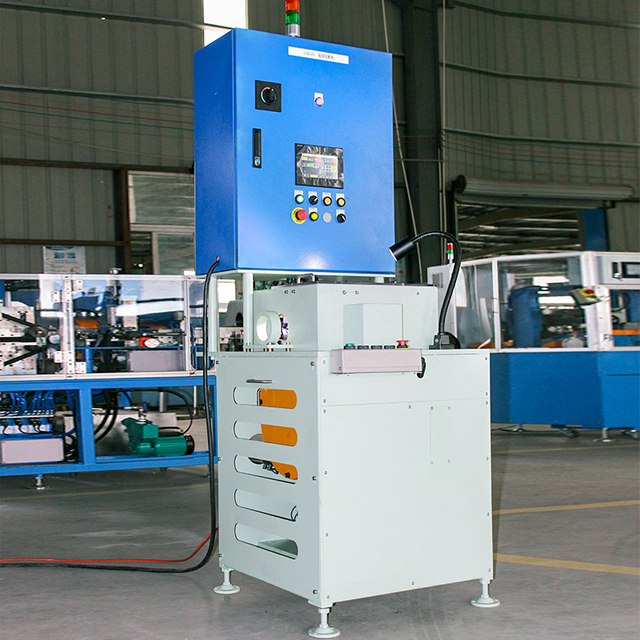
Ever wondered how industries achieve precise hose cuts effortlessly? Automatic hose cutting machines are the answer. These machines revolutionize hose cutting, ensuring accuracy and efficiency. In this post, you'll learn everything about hose cutting machines, their types, and their industrial applications. Discover how these machines enhance productivity and safety in various sectors.
Understanding Hose Cutting Machines
Hose cutting machines play a vital role in industries that rely on hydraulic, pneumatic, or industrial hoses. These machines are designed to cut various hose types accurately and efficiently, ensuring clean edges and proper lengths. Let’s explore what hose cutting machines are, the different types available, and where they are commonly used.
What Is a Hose Cutting Machine?
A hose cutting machine is a specialized tool built to slice through hoses made of rubber, plastic, or reinforced materials like steel wire. Unlike manual cutting, these machines provide precision and speed, reducing waste and improving productivity. They often feature automated feeding, measuring, and cutting functions, which help maintain consistent hose lengths and clean cuts.
These machines use different cutting methods such as abrasive wheels, steel blades, or circular knives. Abrasive wheels grind through the hose material, suitable for tough reinforcements but may generate heat and debris. Steel blades slice cleanly without producing smoke, ideal for delicate hoses. Circular knife blades come in various edge designs, such as smooth, scalloped, or notched, to handle specific hose types and cutting needs.
Types of Hose Cutting Machines
Hose cutting machines vary based on their cutting mechanisms and automation levels:
Manual Hose Cutters: Handheld or lever-operated tools suitable for small jobs or field repairs. They require more effort and skill to ensure clean cuts.
Semi-Automatic Machines: These combine manual feeding with automated cutting, improving precision and speed compared to manual tools.
Fully Automatic Machines: Equipped with motorized feeding, measuring, and cutting, these machines deliver high accuracy and fast throughput. They often include software for real-time monitoring and adjustments, making them ideal for large-scale production.
Abrasive Cutting Machines: Use high-speed abrasive wheels to slice through tough hoses, including those with steel reinforcements.
Blade Cutting Machines: Utilize circular or straight blades for clean, smoke-free cuts, suitable for rubber or plastic hoses without heavy reinforcements.
Applications and Industries
Hose cutting machines find applications across many sectors:
Automotive: For manufacturing brake lines, fuel hoses, and air conditioning lines.
Construction and Agriculture: Cutting hydraulic hoses used in heavy machinery.
Industrial Manufacturing: Producing hoses for pneumatic systems, chemical transport, and cooling systems.
Aerospace: Where precision-cut hoses are critical for safety and performance.
Oil and Gas: Cutting hoses that withstand high pressure and harsh environments.
Each industry demands specific hose types and sizes, making it crucial to select a machine that matches the material and diameter requirements.
Note: Selecting a hose cutting machine tailored to your hose type and production volume enhances efficiency and reduces material waste in your operations.
Key Features of Automatic Hose Cutting Machines
Automatic hose cutting machines are designed to deliver high precision and fast cutting speeds, making them indispensable in industries requiring consistent hose lengths and clean cuts. Let’s explore some of their key features:
Precision and Speed
These machines excel at cutting hoses to exact lengths quickly. They use automated feeding systems that measure hose length accurately before cutting, minimizing waste and errors. The cutting blades operate at high speeds, enabling fast throughput without sacrificing cut quality. This precision ensures hoses fit perfectly in assemblies, reducing the need for rework or adjustments.
For example, some machines can cut a hose with a diameter up to one inch in just a couple of seconds. This speed boosts productivity significantly, especially in large-scale manufacturing settings where thousands of hoses may be cut daily.
Blade Replacement and Maintenance
Automatic hose cutters are designed for easy blade replacement. Blades wear out over time due to friction and cutting tough materials like steel-reinforced hoses. Quick-change blade systems reduce downtime, allowing operators to swap blades without specialized tools or lengthy procedures.
Regular maintenance is essential to keep blades sharp and the machine running smoothly. This includes cleaning cutting components to remove debris and inspecting blades for wear or damage. Some machines feature alerts or indicators to notify users when blade replacement or maintenance is due, helping prevent unexpected breakdowns.
Software Integration and Updates
Modern automatic hose cutting machines often come with integrated software to enhance control and monitoring. This software can simulate hose cutting operations in 3D, helping operators visualize the process and avoid errors before actual cutting.
Additionally, software updates can be pushed regularly to improve machine performance or add new features. For instance, some machines send status updates or maintenance reminders every two weeks, keeping users informed about the machine’s condition and operational parameters.
Real-time monitoring allows operators to adjust cutting speed, blade pressure, or hose feed length on the fly. This flexibility ensures consistent quality even when hose materials or sizes vary.
Choosing the Right Hose Cutting Machine
Selecting the right hose cutting machine is crucial for efficient and precise hose assembly. Several factors come into play to ensure the machine fits your production needs and handles the hose types you work with.
Factors to Consider
Hose Diameter and Type: Know the maximum diameter your machine must cut. Machines handle hoses from small diameters up to one or two inches or more. Also, identify the hose material—rubber, plastic, steel-reinforced, or textile-braided—since this affects blade choice and cutting method.
Cutting Speed and Precision: Consider how fast the machine can cut while maintaining accuracy. High-volume production benefits from machines with fast cycle times and automated measuring.
Automation Level: Decide if you need manual, semi-automatic, or fully automatic machines. Automatic machines reduce labor and improve consistency but come with higher upfront costs.
Blade Compatibility and Replacement: Ensure the machine supports easy blade changes and offers compatibility with different blade types for various hose materials.
Software and Controls: Modern machines often include software for real-time monitoring, cut simulation, and parameter adjustments. This technology can reduce errors and improve output quality.
Maintenance and Support: Check for machines that offer straightforward maintenance and reliable customer support to minimize downtime.
Types of Blades and Their Uses
Choosing the right blade is key to clean cuts and machine longevity. Here are common blade types:
Abrasive Wheels: These spin at high speeds to grind through hose materials, including steel reinforcements. They generate heat and debris, so good ventilation and blade wear monitoring are important.
Steel Blades: Provide clean, smoke-free cuts by slicing rather than grinding. Ideal for rubber or plastic hoses without heavy reinforcements. They bend the hose slightly during cutting to protect edges.
Circular Knife Blades: Come in various edge designs:
Smooth Beveled Edge: Best for non-reinforced rubber hoses, producing minimal dust.
Wavy Scalloped Edge: Offers aggressive cutting for hydraulic, pneumatic, and thermoplastic hoses, requiring less operator effort.
Notched Edge: Designed to cut steel wire reinforcements in hydraulic hoses effectively.
Euro Slot Blade: A variation of the scalloped edge for specialized applications.
Selecting the correct blade depends on hose construction and the desired cut quality.
Maintenance and Safety Tips
Proper maintenance and strict safety practices keep hose cutting machines running smoothly and protect operators from harm. Regular care extends machine life, reduces downtime, and ensures consistent, high-quality cuts.
Routine Maintenance Practices
Routine maintenance starts with cleaning the machine after each use. Removing hose debris and dust prevents buildup that can interfere with cutting accuracy and blade performance. Use a soft brush or compressed air to clear debris from the blade area and feeding mechanisms.
Lubricate all moving parts regularly, following the manufacturer’s guidelines. Proper lubrication reduces friction, prevents wear, and keeps the machine operating quietly and efficiently. Check belts, rollers, and bearings for signs of wear or damage, replacing parts as needed.
Inspect blades frequently. A dull or damaged blade lowers cut quality and stresses the machine. Replace blades promptly to maintain sharpness and prevent uneven cuts. Some machines feature blade wear sensors or alerts, which help schedule timely replacements.
Schedule full inspections periodically. These should cover electrical connections, safety features, hydraulic systems, and mechanical components. Early detection of problems avoids costly repairs and unexpected breakdowns.
Safety Features and Protocols
Safety features built into hose cutting machines protect operators and equipment. Blade guards prevent accidental contact with sharp blades. Always verify guards are securely in place before starting the machine.
Emergency stop buttons allow operators to halt the cutting process instantly during emergencies. Operators should familiarize themselves with the button’s location and function.
Sensors monitoring blade condition or hose positioning can stop the machine if unsafe conditions arise. These reduce risks from misaligned hoses or worn blades.
Operators must wear proper personal protective equipment (PPE), including gloves, safety glasses, and protective clothing, to shield against flying debris or accidental contact with blades.
Maintain a clean, well-lit work area free of obstacles to prevent slips and falls. Proper ventilation is also necessary to avoid inhaling dust or fumes generated during cutting.
Common Cutting Issues and Solutions
Several common issues can affect hose cutting quality and safety:
Frayed Hose Ends: Often caused by dull blades or incorrect blade type. Solution: Replace blades regularly and select blades suited to hose material.
Uneven Cuts: May result from hose misalignment or feeding errors. Solution: Ensure hose is properly positioned and feeding system calibrated.
Overheating Blades: Occurs during prolonged cutting or abrasive wheel use. Solution: Implement cooling breaks and monitor blade temperature.
Machine Jamming: Caused by debris buildup or worn parts. Solution: Clean machine after each use and replace worn components promptly.
Safety Feature Failures: Can lead to accidents. Solution: Test emergency stops and sensors regularly, repair or replace faulty parts immediately.
By following these maintenance and safety tips, businesses can maximize machine uptime, ensure operator safety, and produce precise hose cuts every time.
Conclusion
Hose cutting machines are essential in various industries, offering precision and efficiency. They come in manual, semi-automatic, and fully automatic types, each suited for different needs. Automatic machines excel in cutting speed, precision, and versatility, handling diverse hose materials. The advanced features like microcomputer control and real-time monitoring enhance performance. Nanjing Hydraulic Sun Technology Co., Ltd. provides cutting-edge hose cutting machines that deliver exceptional value, boosting productivity and ensuring high-quality cuts in industrial applications.
FAQ
Q: What is an Automatic Hose Cutting Machine?
A: An Automatic Hose Cutting Machine is a specialized tool that automates the cutting of hoses, providing precision and speed for various materials like rubber, plastic, and steel-reinforced hoses.
Q: How does an Automatic Hose Cutting Machine improve productivity?
A: It enhances productivity by automating feeding, measuring, and cutting processes, ensuring accurate cuts, reducing waste, and speeding up production cycles.
Q: Why choose an Automatic Hose Cutting Machine over manual cutters?
A: Automatic machines offer superior precision, speed, and consistency, reducing labor costs and material waste compared to manual cutting methods.
Q: What are the maintenance tips for an Automatic Hose Cutting Machine?
A: Regularly clean the machine, replace blades as needed, lubricate moving parts, and inspect safety features to ensure optimal performance and safety.
Q: Can an Automatic Hose Cutting Machine handle different hose materials?
A: Yes, it can cut various materials, including rubber, plastic, and steel-reinforced hoses, using different blade types for clean and efficient cuts.