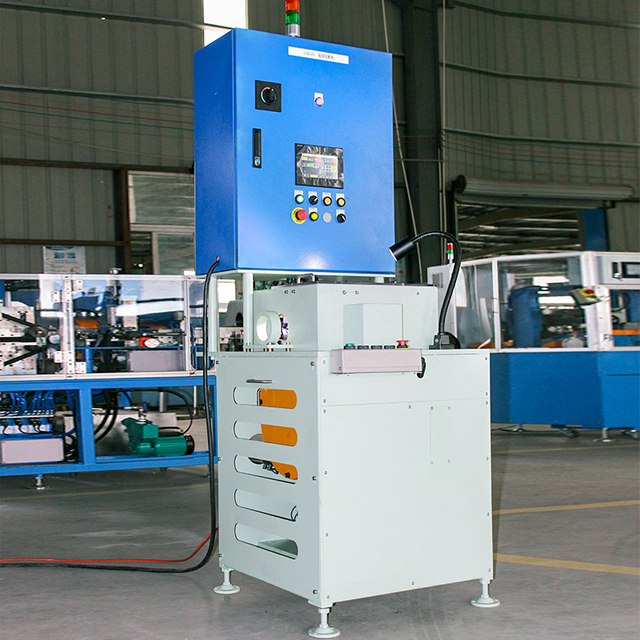
Hydraulic hose fittings are crucial for fluid power systems, ensuring safe and efficient operations. But what makes them reliable? Skived and non-skived fittings offer different advantages in hydraulic systems. In this post, you'll learn about their differences and the role of automatic hose skiving machines in enhancing hydraulic performance.
What are Skived Hydraulic Hose Fittings?
Definition and Characteristics
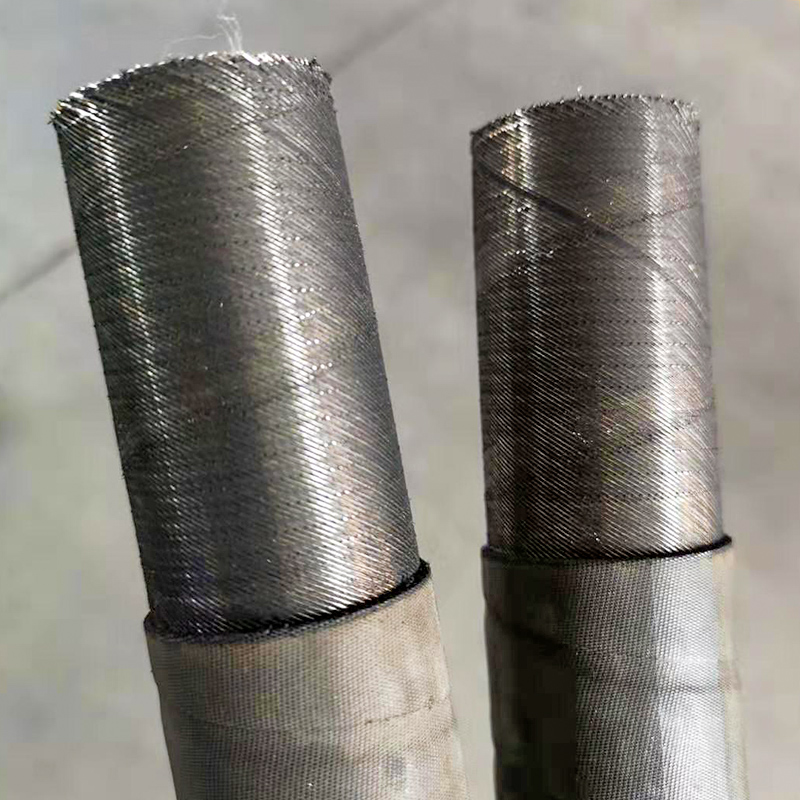
Skived hydraulic hose fittings involve a process where the outer rubber cover of the hose is carefully shaved off. This exposes the wire reinforcement beneath, allowing the fitting's ferrule to grip directly onto the reinforcement rather than just the hose cover. This results in a stronger, more secure connection. Skiving can be done externally (removing part of the outer cover), internally (removing part of the inner tube), or both, depending on the hose and fitting design. This process is especially common in high-pressure hydraulic systems where a tight, leak-proof seal is essential.
The Skiving Process Explained
The skiving process requires specialized equipment known as hose skiving machines. These machines precisely shave off a set thickness of the hose’s outer cover without damaging the reinforcement inside. The hose is placed in the machine, and blades remove the rubber layer to a predetermined depth and length. For medium-pressure hoses, often only the outer cover is skived (single skive). For high-pressure hoses, both the inner tube and outer cover are skived (double skive), allowing metal-to-metal contact between the fitting and hose reinforcement.
This metal-to-metal contact is critical, ensuring the ferrule bites into the wire braid rather than just compressing the rubber. It prevents leaks and the risk of the fitting blowing off under pressure. After skiving, the fitting is inserted and crimped onto the hose following the manufacturer's specifications, guaranteeing a secure and durable assembly.
Advantages of Skived Fittings
Stronger Seal and Grip: Skiving exposes the reinforcement, allowing the ferrule to grip firmly onto the hose’s wire braid. This creates a more reliable, leak-proof seal.
High-Pressure Capability: The metal-to-metal connection withstands extreme pressures, making skived fittings ideal for heavy-duty hydraulic systems.
Durability: Skived fittings hold up better under fluctuating pressures and mechanical stress, reducing the chance of hose slippage or failure.
Safety: The secure connection minimizes the risk of leaks or hose blowouts, enhancing system safety.
Customization: Skiving depth and length can be controlled precisely to match specific hose and fitting requirements.
While skiving adds an extra step and requires special tools and skills, the improved reliability and performance in demanding hydraulic applications often outweigh these costs.
Tip: Always ensure hose skiving is done with calibrated equipment and trained personnel to avoid damaging the hose reinforcement and compromising assembly safety.
Exploring Non-Skived Hydraulic Hose Fittings
Definition and Characteristics
Non-skived hydraulic hose fittings are designed to be installed without removing any part of the hose’s outer rubber cover or inner tube. Unlike skived fittings, they rely on the intact hose structure for securing the connection. The ferrule or fitting grips directly onto the hose cover, compressing it to form a seal. This design simplifies assembly, as it eliminates the need for the skiving process, which requires specialized tools and additional labor.
These fittings are typically used in hydraulic systems operating at low to medium pressures. The hose maintains its full protective cover, which helps shield the reinforcement layers from damage during installation and use. Non-skived fittings are engineered to provide a reliable seal without exposing the internal reinforcement, making them practical and efficient for many applications.
Advantages of Non-Skived Fittings
Simplified Assembly: Non-skived fittings reduce preparation time. No skiving means fewer steps, less equipment, and faster assembly, which can be a significant advantage in high-volume or field operations.
Lower Equipment Costs: Since no skiving machines or tools are necessary, initial investment and maintenance costs are lower. This makes non-skived fittings more accessible for smaller shops or mobile repair teams.
Protection of Hose Integrity: The hose cover remains intact, protecting the reinforcement layers from potential damage during fitting installation. This can help extend hose life in applications where frequent movement or abrasion occurs.
Reduced Risk of Assembly Errors: Skiving requires skill and precision. Non-skived fittings eliminate the risk of improper skiving, which can weaken the hose or cause leaks if done incorrectly.
Versatility: Suitable for a wide range of hoses and applications, especially where pressures do not exceed medium levels. Their ease of use makes them ideal for quick repairs and maintenance in the field.
Common Applications
Non-skived hydraulic hose fittings are commonly found in:
Mobile Equipment: Construction machinery, agricultural vehicles, and other mobile units benefit from the quick assembly and repair capabilities of non-skived hoses.
Medium-Pressure Hydraulic Systems: Many industrial machines that operate under moderate pressures use non-skived fittings to balance performance and cost.
Field Repairs and Maintenance: The simplicity of installation without special tools makes non-skived fittings ideal for onsite repairs where time and equipment availability are limited.
General Purpose Hydraulic Systems: Applications that do not demand the highest pressure ratings but require reliable hose connections.
While non-skived fittings offer many benefits, they may not be suitable for very high-pressure or critical hydraulic systems where a metal-to-metal seal and maximum security are necessary. Choosing non-skived fittings should consider the system’s pressure requirements, operational environment, and maintenance capabilities.
Comparing Skived and Non-Skived Fittings
Key Differences
Skived and non-skived hydraulic hose fittings differ mainly in how the hose is prepared before fitting installation. Skived fittings require removing part of the hose’s outer cover, sometimes the inner tube, exposing the reinforcement layer. This allows the fitting’s ferrule to grip directly onto the wire braid, creating a metal-to-metal connection. Non-skived fittings skip this step, gripping the hose cover directly without any material removal.
This difference affects assembly complexity, connection strength, and the type of applications each fitting suits best. Skived fittings are more complex to prepare and install but offer stronger, more secure connections. Non-skived fittings are faster and easier to install but may not provide the same level of durability or pressure resistance.
Pressure Handling Capabilities
Skived fittings excel in high-pressure hydraulic systems. The metal-to-metal contact between the fitting and hose reinforcement ensures the connection withstands extreme pressures and reduces the risk of leaks or blowouts. This makes them ideal for heavy machinery, industrial equipment, or any application where safety and reliability under pressure are critical.
Non-skived fittings handle low to medium pressures effectively. Since the fitting grips the hose cover rather than the reinforcement, their pressure rating is generally lower. They perform well in mobile equipment, field repairs, and less demanding hydraulic systems where quick assembly and cost savings matter more than maximum pressure resistance.
Installation Time and Complexity
Installing skived fittings takes longer due to the necessary hose preparation. Skiving requires specialized machines and trained operators to remove the correct amount of hose cover without damaging the reinforcement. After skiving, the fitting must be carefully inserted and crimped according to precise specifications. This process demands more labor and equipment investment but yields a highly secure assembly.
Non-skived fittings simplify installation by eliminating the skiving step. This reduces assembly time and labor costs significantly. Without skiving, fittings can be attached quickly using standard tools, making them suitable for onsite repairs or high-volume production where speed is essential. However, this convenience comes with trade-offs in pressure capability and long-term durability.
| Aspect | Skived Fittings | Non-Skived Fittings |
| Hose Preparation | Skiving required (outer/inner layers) | No skiving; hose cover intact |
| Connection Type | Metal-to-metal contact | Fitting grips hose cover |
| Pressure Rating | High-pressure applications | Low to medium-pressure applications |
| Assembly Complexity | More complex, needs special tools | Simpler, no special tools needed |
| Installation Time | Longer due to preparation | Shorter, faster assembly |
| Equipment Cost | Higher (skiving machines needed) | Lower (no skiving equipment) |
| Durability and Safety | Superior under harsh conditions | Adequate for less demanding uses |
Understanding these differences helps select the right fitting type for specific hydraulic needs, balancing performance, cost, and installation efficiency.
Choosing Between Skived and Non-Skived Fittings
Factors to Consider
Selecting between skived and non-skived hydraulic hose fittings depends on multiple factors that influence performance, cost, and ease of installation:
System Pressure: Skived fittings suit high-pressure systems due to their metal-to-metal seal, providing superior leak resistance. Non-skived fittings work best in low to medium pressure setups where the hose cover remains intact.
Assembly Time and Labor: Skived fittings require additional prep time and skilled labor for skiving. Non-skived fittings simplify assembly, saving time and reducing labor costs.
Equipment Availability: Skiving demands specialized machines and trained operators. Non-skived fittings need no special tools, ideal for fieldwork or operations with limited equipment.
Durability and Movement: If the hose undergoes frequent bending or vibration, skived fittings offer better durability. Non-skived fittings may wear faster in dynamic environments because the hose cover remains unaltered.
Cost Considerations: Skived fittings carry higher upfront costs due to extra labor and equipment. However, they may reduce maintenance expenses over time by preventing leaks and failures. Non-skived fittings are more budget-friendly initially but might require more frequent replacement in demanding conditions.
Compatibility: Some hoses require skiving to meet manufacturer specifications, especially for high-pressure ratings. Always check compatibility before selecting.
Application-Specific Recommendations
Heavy Machinery and Industrial Equipment: Opt for skived fittings to ensure secure connections under extreme pressures and harsh conditions.
Mobile Equipment and Agricultural Machinery: Non-skived fittings provide quick, cost-effective assembly suitable for medium or lower pressure systems.
Field Repairs and Maintenance: Non-skived fittings excel where speed and simplicity matter, especially on-site without access to skiving equipment.
Critical Hydraulic Systems: Skived fittings are recommended where failure risks must be minimized, such as in aerospace or heavy manufacturing.
Cost Implications
Choosing skived fittings involves investing in skiving machines, training, and longer assembly times, increasing initial costs. However, this investment pays off in reliability, safety, and reduced downtime caused by leaks or hose blowouts.
Non-skived fittings reduce upfront costs by eliminating skiving. They are practical for operations prioritizing quick turnaround and lower equipment spending. Yet, they might incur higher long-term costs if hose failures occur due to less secure connections.
Role of Automatic Hose Skiving Machines
How They Work
Automatic hose skiving machines are specialized tools designed to precisely remove the outer rubber layer of hydraulic hoses. They use sharp, adjustable blades that shave the hose cover to an exact depth and length without damaging the inner reinforcement layers. The hose is securely clamped into the machine, which rotates it while the blades move along the length, ensuring a consistent and smooth skive. Operators can set the machine for single skiving (outer cover only) or double skiving (both inner tube and outer cover), depending on the hose and fitting requirements. This automation reduces human error and ensures repeatability across multiple hose assemblies.
Benefits in the Skiving Process
Using automatic skiving machines offers several advantages:
Precision and Consistency: The machines deliver uniform skiving depth and length, critical for creating a secure metal-to-metal connection between the fitting and hose reinforcement.
Time Efficiency: Automation speeds up the preparation process compared to manual skiving, increasing productivity, especially in high-volume manufacturing or repair environments.
Reduced Waste and Damage: Precise control minimizes the risk of cutting too deep or unevenly, which can weaken the hose or cause leaks. It preserves hose integrity and extends service life.
Ease of Use: Operators require less skill and experience than manual skiving, lowering training costs and reducing the chance of assembly errors.
Flexibility: Machines can be adjusted for different hose sizes and types, supporting a wide range of hydraulic hose assemblies.
Impact on Efficiency and Safety
Automatic hose skiving machines improve both efficiency and safety in hydraulic hose assembly:
Improved Assembly Quality: Consistent skiving ensures fittings fit perfectly, reducing leaks and failures that could cause costly downtime or hazardous fluid leaks.
Faster Turnaround: Quicker hose preparation helps meet tight production schedules or urgent field repairs without compromising quality.
Enhanced Worker Safety: Automation reduces manual handling and exposure to sharp blades, lowering the risk of operator injury during hose preparation.
Standardized Process: With precise, repeatable skiving, manufacturers can maintain high quality standards and comply with industry regulations more easily.
Overall, automatic hose skiving machines are essential for producing reliable, high-performance hydraulic hose assemblies, particularly in demanding high-pressure applications where safety and durability are paramount.
Conclusion
Skived and non-skived hydraulic hose fittings differ in preparation and application. Skived fittings offer secure, high-pressure connections, while non-skived fittings simplify assembly for medium pressure systems. Nanjing Hydraulic Sun Technology Co., Ltd. provides innovative solutions for both types, ensuring reliability and performance. As hydraulic hose technology evolves, advancements will enhance efficiency and safety, meeting diverse industry needs.
FAQ
Q: What is an Automatic Hose Skiving Machine?
A: An Automatic Hose Skiving Machine is a specialized tool that precisely removes the outer rubber layer of hydraulic hoses, ensuring a secure metal-to-metal connection for skived fittings.
Q: Why use an Automatic Hose Skiving Machine for hydraulic hoses?
A: Using an Automatic Hose Skiving Machine ensures precision, consistency, and efficiency in preparing hydraulic hoses, reducing assembly errors and enhancing connection reliability.
Q: How does an Automatic Hose Skiving Machine improve safety?
A: It reduces manual handling and exposure to sharp blades, minimizing the risk of operator injury during the skiving process.
Q: What are the cost implications of using skived fittings?
A: Skived fittings require investment in Automatic Hose Skiving Machines and skilled labor, but they offer long-term reliability and safety benefits.
Q: How do skived and non-skived fittings differ in installation time?
A: Skived fittings take longer to install due to the skiving process, while non-skived fittings offer quicker assembly without needing specialized machines.