Views: 0 Author: Site Editor Publish Time: 2026-04-09 Origin: Site


A Hydraulic Hose is a critical component that transmits power and fluid in heavy machinery, construction equipment, and industrial systems. However, even the highest quality Hydraulic Hose can fail prematurely if not stored and handled correctly before it ever reaches a machine. Many users overlook the fact that improper storage degrades hose materials, weakens reinforcement, and introduces contaminants that lead to field failures. This guide covers best practices for storing and handling Hydraulic Hose assemblies, from the moment they leave the manufacturing line to the point of installation. Following these guidelines extends hose life, reduces downtime, and ensures safety on the job site.
A Hydraulic Hose is made from multiple layers: an inner tube, steel or textile reinforcement, and an outer cover. Each layer is vulnerable to environmental factors. Ozone, ultraviolet light, temperature extremes, moisture, and mechanical stress all degrade hose materials over time. A hose that has been stored incorrectly may look fine on the outside but have hidden damage that causes early failure under pressure. Proper storage and handling preserve the integrity of the Hydraulic Hose and protect your investment.
The ideal storage temperature for a Hydraulic Hose is between 10°C and 25°C (50°F to 77°F). Extreme heat accelerates the aging of rubber compounds, causing the hose to harden and crack. Extreme cold makes the hose stiff and brittle, increasing the risk of kinking or cracking during handling. Hoses should never be stored near heat sources such as radiators, steam pipes, or direct sunlight. If hoses must be stored in colder conditions, they should be warmed to room temperature before handling or installation.
Moisture is an enemy of Hydraulic Hose reinforcement. Steel wires can corrode if exposed to high humidity or standing water. Rubber compounds can absorb moisture, leading to swelling or degradation. Storage areas should be dry and well-ventilated. Hoses should not be stored directly on concrete floors, which can release moisture. Instead, use pallets or racks to keep hoses off the ground. If hoses are stored in original packaging, keep the packaging intact until ready for use.
Ozone in the atmosphere attacks rubber compounds, causing surface cracking. Ultraviolet light from sunlight or fluorescent lamps accelerates this degradation. A Hydraulic Hose should be stored away from direct sunlight and sources of ozone, such as electric motors, welding equipment, and fluorescent lighting. Covering storage racks with opaque tarps or storing hoses in dark rooms provides additional protection.
Dirt, dust, and chemicals contaminate Hydraulic Hose surfaces and can enter the inner tube if end caps are removed. Storage areas should be clean and free from oil, solvents, and corrosive substances. Hoses should be stored with end caps or plugs in place to prevent contamination from entering the tube. This is especially important for hoses that will be used in sensitive hydraulic systems.
The table below summarizes recommended storage conditions for Hydraulic Hose:
| Environmental Factor | Recommended Condition | Avoid |
|---|---|---|
| Temperature | 10°C to 25°C (50°F to 77°F) | Above 32°C (90°F) or below 0°C (32°F) |
| Humidity | Dry, well-ventilated | Damp, condensation, direct concrete floor |
| Light | Dark or shielded | Direct sunlight, fluorescent UV |
| Air Quality | Clean, free from ozone | Electric motors, welding equipment |
| Contaminants | No oils, solvents, chemicals | Spills, dust, metal shavings |
A Hydraulic Hose should never be stored in tight coils that exceed the manufacturer's minimum bend radius. Tight bending stresses the reinforcement and can cause kinking. For long hoses, use large diameter coils or lay them flat in a figure-eight pattern. For shorter hoses, hang them on racks with large radius hooks. Do not hang hoses by a single hook through the center of the coil, as this creates a tight bend at the hanging point.
Dedicated Hydraulic Hose storage racks are ideal. These racks allow hoses to rest in loose coils with large bend radii. Shelves should be smooth and free from sharp edges that could damage the outer cover. Heavy hoses should be stored on lower shelves to prevent distortion from their own weight. For high-volume operations, a vertical rack with multiple arms allows hoses to be stored without bending.
Whenever possible, keep Hydraulic Hose in its original packaging until ready for use. The packaging protects against dust, light, and mechanical damage. For bulk hose reels, store the reel on its edge on a rack designed for reels. Do not stack heavy items on top of hose reels, as the weight can deform the hose layers.
Hydraulic Hose has a limited shelf life, even under ideal conditions. Most manufacturers recommend using hoses within five to seven years of manufacture. Rubber compounds continue to cure over time, losing flexibility and gaining hardness. Implement a first-in, first-out inventory system to ensure older hoses are used before newer ones. Always check the date code on the hose before installation.
When moving a Hydraulic Hose, avoid dragging it across rough surfaces that could abrade the cover. Use proper lifting techniques for heavy hoses—get assistance or use mechanical aids. Do not kink or twist the hose while carrying it. For long hoses, use multiple people or a hose cart to prevent the hose from dragging on the ground.
When removing a Hydraulic Hose from a storage reel or coil, let it unroll naturally. Do not pull the hose sharply or force it to straighten. For hoses that have taken a set from being coiled, lay them flat in a warm area to relax before installation. Never use heat guns or torches to soften a stiff hose, as this damages the rubber and reinforcement.
When transporting Hydraulic Hose assemblies to job sites, protect them from abrasion and impact. Use padded containers or wrap hoses in protective sleeves. Do not allow hoses to bounce against metal surfaces during transit. For long distances, secure hoses to prevent movement without creating tight bends or kinks.
Before installing any Hydraulic Hose, perform a thorough inspection:
Check the outer cover for cuts, abrasions, cracking, or swelling
Inspect end fittings for corrosion, damaged threads, or loose crimps
Verify that the hose length and bend radius are appropriate for the application
Remove end caps and inspect the inner tube for contamination or blockage
Confirm the hose's pressure rating, temperature rating, and fluid compatibility match the application
If any damage or abnormality is found, do not install the hose. A damaged Hydraulic Hose is a safety hazard.
The quality of a Hydraulic Hose begins with how it is manufactured and assembled. Understanding the equipment behind hose production helps users appreciate the importance of proper handling after the hose leaves the factory.
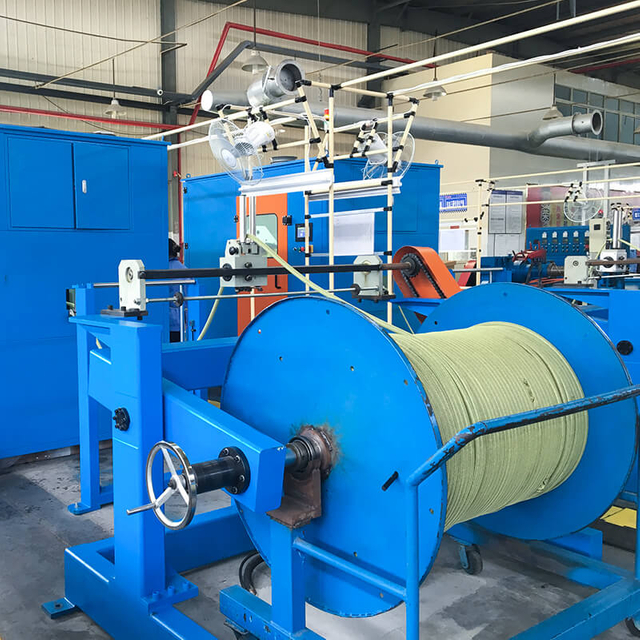
A Hose Wire Braiding Machine produces hoses with interwoven steel wire reinforcement. These hoses offer excellent flexibility and are common in general industrial and agricultural applications. A Hose Textile Braiding Machine uses textile fibers instead of steel wire, producing lighter hoses for lower-pressure applications. A Hose Wire Spiral Winding Machine winds steel wire in alternating helical layers, creating hoses that withstand ultra-high pressures and extreme impulse conditions—essential for mining and heavy construction.
During production, a Hose Wrapping And Unwrapping Machine applies protective layers or wraps around the hose. This equipment ensures consistent application of materials that protect the hose during storage and use.
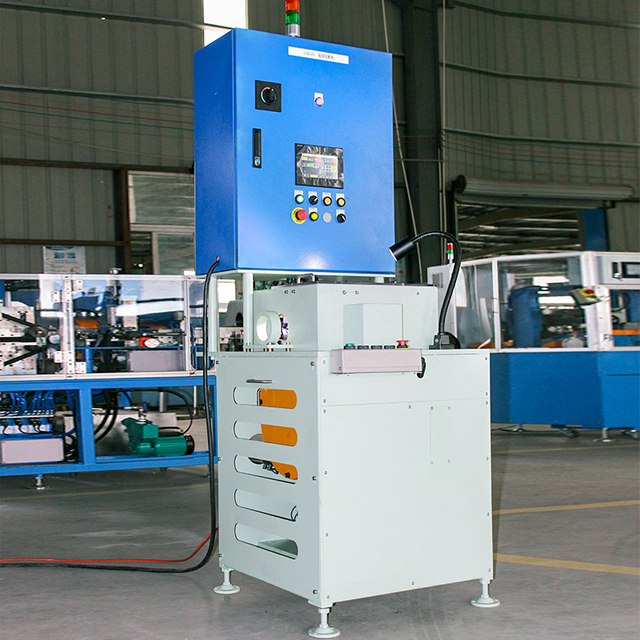
After the hose is manufactured, Hydraulic Hose Auxiliary Equipment comes into play for assembly. An Automatic Hose Cutting Machine cuts bulk hose to precise lengths with clean, square ends. An Automatic Hose Skiving Machine removes the outer cover to the exact depth required for fitting attachment. A Hose Pressure Testing And Cleaning Machine verifies assembly integrity and flushes contaminants from the hose interior.
Finally, Display Of Processed Finished Hose represents the quality checkpoint where finished assemblies are inspected before packaging. Hoses that pass this inspection are ready for storage and shipment.
Even the best hose, produced on advanced Hose Wire Braiding Machine or Hose Wire Spiral Winding Machine equipment, can be ruined by poor storage and handling. The care taken after the hose leaves the factory is just as important as the care taken during its production.
| Mistake | Consequence | Prevention |
|---|---|---|
| Storing hoses outdoors | UV and ozone damage, moisture ingress | Store indoors or under cover |
| Tight coiling or hanging | Kinking, reinforcement stress | Use large diameter coils or racks |
| Dragging hoses on ground | Cover abrasion, wire exposure | Carry or use hose carts |
| Removing end caps prematurely | Contamination of inner tube | Keep caps on until installation |
| Stacking heavy items on hoses | Deformation, hidden damage | Store on dedicated racks |
| Ignoring shelf life | Brittle hoses, premature failure | Use FIFO inventory system |
| Storing near ozone sources | Surface cracking | Keep away from motors and welders |
| No pre-installation inspection | Installing damaged hoses | Always inspect before use |
Anyone responsible for Hydraulic Hose storage and handling should receive basic training on these practices. Topics should include:
Recognizing signs of hose degradation (cracking, hardening, swelling)
Proper coiling and uncoiling techniques
Safe lifting and carrying methods for heavy hoses
Use of storage racks and protective covers
Importance of keeping end caps in place
How to read date codes and implement inventory rotation
Well-trained personnel prevent costly mistakes that lead to field failures.
Different industries may have additional storage requirements. For example:
Mining operations: Hoses may be stored in remote field locations. Use weatherproof containers and rotate stock frequently.
Marine applications: Salt air accelerates corrosion. Use hoses with corrosion-resistant fittings and store in sealed containers.
Food processing: Hoses must be stored in clean, contaminant-free areas. Use plastic end caps and avoid contact with chemicals.
Cold climates: Allow frozen hoses to warm gradually before bending or installing. Never force a stiff hose.
Even with perfect storage, a Hydraulic Hose has a finite shelf life. Discard hoses that show any of the following:
Hard or brittle outer cover that cracks when flexed
Deep cuts or abrasions that expose reinforcement
Swelling or blisters on the cover
Corroded or damaged fittings
Date code beyond manufacturer's recommended shelf life (typically seven years)
Any sign of kinking or permanent deformation
Do not attempt to "save" an old hose by using it in a less demanding application. The risk of failure remains.
The same principles of careful handling apply to Assembly Rubber Hose Auxiliary Equipment. An Automatic Hose Cutting Machine must be calibrated and maintained to produce clean cuts. An Automatic Hose Skiving Machine requires sharp blades and correct depth settings. A Hose Pressure Testing And Cleaning Machine must be operated according to manufacturer instructions. Mishandling of this equipment leads to poor-quality assemblies that fail in the field.
When a Hydraulic Hose assembly is properly cut, skived, crimped, tested, and cleaned using quality Hydraulic Hose Auxiliary Equipment, it has the best chance of long service life. But that service life is only realized if the hose is stored and handled correctly before installation.
Proper storage and handling of Hydraulic Hose assemblies are essential for maximizing service life and preventing field failures. Temperature control, protection from UV and ozone, cleanliness, and correct coiling methods all contribute to maintaining hose integrity. Regular inspection before installation catches damage that occurred during storage or transport. When combined with quality assembly using Automatic Hose Cutting Machine, Automatic Hose Skiving Machine, and Hose Pressure Testing And Cleaning Machine equipment, proper storage practices ensure that your Hydraulic Hose performs reliably when it matters most.
Nanjing Hydraulic Sun Technology Co., Ltd. manufactures a complete range of Hydraulic Hose Auxiliary Equipment, including Automatic Hose Cutting Machine, Automatic Hose Skiving Machine, and Hose Pressure Testing And Cleaning Machine. Contact our team to learn more about equipment that supports consistent, high-quality hose assembly and handling.